

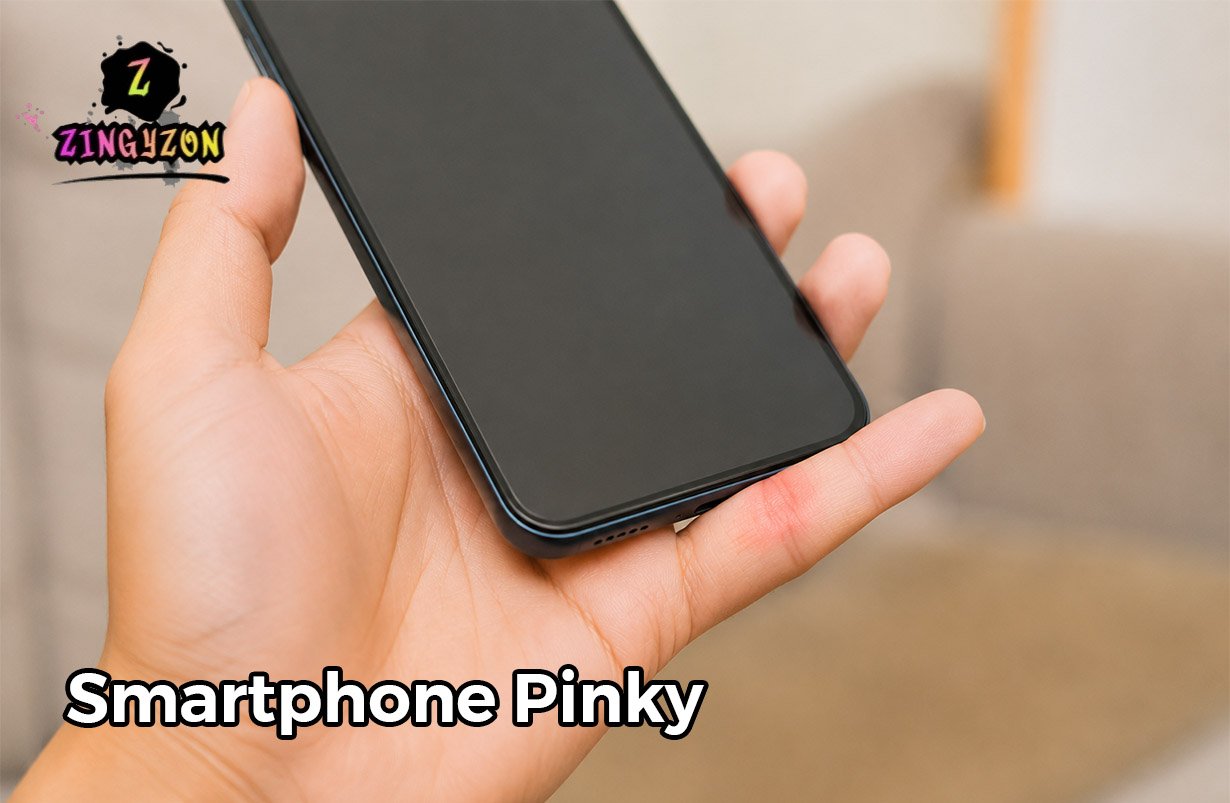
It’s not an illusion if your pinky finger gets tired or develops a slight dimple when you hold your phone. This is what is known as the “smartphone pinky.” Straight up: your finger isn’t breaking, and there’s no medical curse involved. It’s just that your pinky is doing more than its job and can handle. And, like most non-skilled workers, it grumbles.
The dent in the floor is only temporary, just a little imprint in the floor from the pressure, but the fatigue you get in your body? That’s your hand writing a nice or not-so-nice memo of overuse. Phones are light. They won’t change bone structure. Your muscles, tendons and nerves, however? They notice, fast.
Your Pinky Is Doing More Than You Think
That little finger is usually underestimated. You look at it, it’s almost like a decoration. However, it is a vital aid in one handed phone use. Imagine you’re in a crowded subway, scrolling through social media. Your pinky’s tip sits on the base of your phone. The movements, whether swiping, tapping, zooming, pass a small amount of micro-pressure down to that finger. After hundreds, if not thousands, of movements per day the strain accumulates.
It is easy to overlook the fact that it is harmless. When people say “It’s just my finger,” they mean it. The pinky, however, is the lone worker that does a third of the work and you never notice it. Unlike larger muscle groups, this one rarely has to bear weight alone.
Both Hands Isn’t Always the Answer
What you’re going to find is that the majority of Internet advice is “Use both hands.” Simple, right? But life isn’t always so neat. You’re lying in bed at night, flipping through news before bed. Or carrying groceries and a cup of coffee while texting. It is possible to make division of labor harder. Why? You tend to grip it a lot tighter than you should, make weird turns in your wrist, or place your phone in weird spots.
Instead, focusing on weight distribution across the fingers is a better alternative to counting hands. Raise phone up a little bit, use the pads of your fingers not the tip of your pinky. It’s as if fatigue changes in an instant! It’s a subtle change, but it could reduce posting pain in half after 30 minutes of scrolling.
Micro-Movements That Matter More Than Weight
Many people think the phone’s weight is the issue. But it’s usually the myriad little movements that your pinky makes. Tap, swipe and pinch to zoom, each one activates flexor tendons and small stabilizing muscles. The total effect over time is noticeable fatigue.
Let’s say: a person spends an hour on Instagram, elbow bent and hunched on the couch. At the end, the pinky becomes stiff. You can’t call that stiffness a deformity. Your tendon and nerve are a little overworked. Most hand exercises do not target the pinky finger, so these muscles are weaker and fatigue more quickly. You can’t get a rarely used pedal on a piano to go on forever for an hour without having your finger say “oooh! that hurts!”.
When Numbness Means More Than Just Phone Use
The tingling, numbness or “finger fell asleep” feeling is blamed more than it should be on smartphones. It may be simply tiredness, or, maybe, gentle irritation of the ulnar nerve. If numbness occurs in both the pinky and ring finger, particularly at night or with the elbow bent then it is a warning sign.
Cubital tunnel syndrome, the compression of the ulnar nerve near the elbow, may begin innocuously. Exaggerating is what phone holding does. You may say, “It’s OK, just lay my hand down. However, if you don’t make an adjustment to posture—arms bent, wrist flexed, fingers gripping tight—then you are creating a longer-term strain that is more than “smartphone pinky.”
Quick Fixes That Actually Work
The general rule is: take breaks and stretch your hands. Yes, but not quite. That which works in practice is more intentional.
Micro-breaks: Do not rest your hand. Finger exercises include moving fingers in small circles, tapping them on the table or flexing them for 10-15 seconds every 20 minutes. All those small movements prevent fatigue from setting in.
Smartphone holders: PopSockets or rings aren’t for looks. But placement matters. If your grip’s made in such a way that your pinky is holding a lot of weight, you’re just creating a new issue.
Hand positioning adjustments: Holding the phone a centimeter or so higher along the fingers makes a big difference. An overextended pinky relaxes. A small change, big improvement.
Finger exercises: Squeeze a soft ball, make tendon glides or squeeze the pinky alone. Yes, it’s ridiculous! Yes, most people do not pay attention to it. The reward for this is genuine, though.
Also Read: Is Bloom Energy Drink Good for You
Sleep Posture: The Invisible Culprit
One overlooked factor? Your sleep position. This is often overlooked in many blogs. Anything that increases fatigue accumulated throughout the day, such as hands under the pillow, clenched fists or bent elbows, aggravates it. A slight change, such as having the arms straight, hands at rest, a small rolled towel under the forearm, can help avoid morning stiffness.
Now picture sleeping with a backpack full of books under your arm all night! So that’s what a pinky looks like when it’s had a day of scrolling. No heavy lifting required! The distinction is one based on awareness.
Phones, Size, and Grip: Why One Size Doesn’t Fit All
One reason for people’s objection to big phones is the belief that their weight is to blame. Not entirely true. Yes, weight is important, but phone size and personal grip are more important. Long, narrow machines are worse than slightly heavier and smaller ones. Why? The leverage changes. It stretches the pinky finger out of shape.
Test yourself mentally: just put your phone the same way you would normally hold it and hold it for five minutes. Be mindful of tension at the tip or base of your pinky. That will let you know if it’s your grip or the phone’s shape that’s the problem.
When You Should Actually See a Professional
If the fatigue lasts for weeks, your pinky locks, bends awkwardly or the tingling sensation remains, seek professional advice. Swelling, pain or numbness that doesn’t go away is not smartphone pinky. A hand therapist can lead exercises on tendon or nerve gliding, bracing, or the use of tendon glides. If a person’s condition is serious and left untreated, it may lead to measures they don’t want to face.
Subtle Observations That Often Go Unmentioned
Dominant hand vs. non-dominant hand: The non-dominant pinky can get tired as well, and is more noticeable for people. It’s just a bit quieter about it.
Typing vs. scrolling: Scrolling requires the pinky to move differently than texting. Tendons that aren’t involved in texting-oriented workflow get fatigued when scrolling endlessly on Instagram.
Psychological feedback loop:Sometimes fatigue is felt more due to tension and/or distraction rather than overuse. As with exercise, relaxation can lessen the discomfort one feels.
Read More Articles on: Zingyzon.com
FAQs
Can smartphone pinky permanently deform my finger?
No. Damage in the form of dents or marks is temporary and is caused by pressure. Normal telephone usage will not alter the bones and joints.
Do larger phones make it worse?
Not always. More often than not, grip, finger positioning and wrist angle are more important than anything else.
Can exercises prevent finger fatigue?
Yes. Finger, tendon and ulnar nerve exercises are recommended to increase endurance. Consistency is key.
Is switching hands always the best solution?
Not necessarily. The height of the phone, the angle of the wrist and micro-movements are more important than hand count.
