

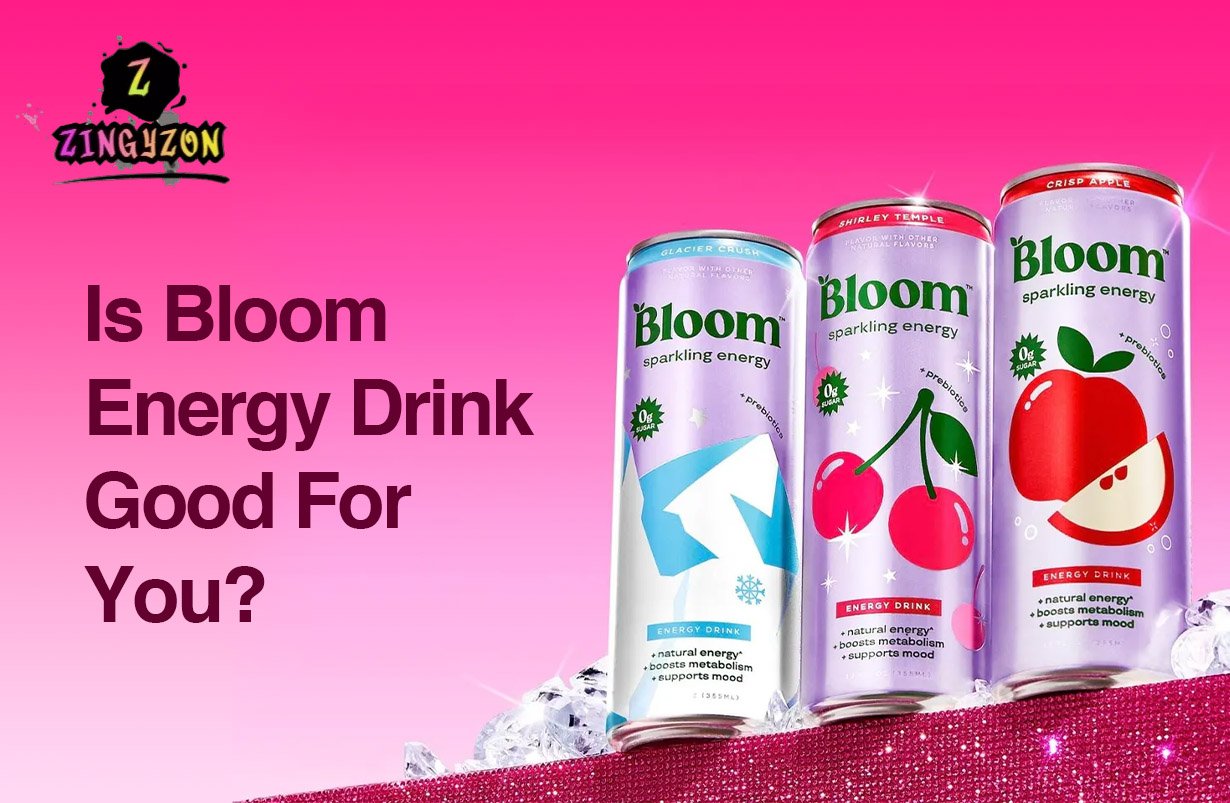
Sugar-laden, high-calorie energy drinks aren’t quite what they used to be! In today’s day and age, companies such as Bloom Energy market their products as healthier options, blending wellness ingredients with caffeine.
Bloom is billed as a “zero sugar” energy drink that includes green coffee bean extract, L-theanine and prebiotics, appealing to health-conscious consumers. It does have a few benefits over the standard energy drink, but its high caffeine levels should not make it a health drink.
What Is Bloom Energy Drink?
Bloom Energy Drink is manufactured by Bloom Nutrition, a well known health and wellness brand that sells greens powders and supplements. The product is targeted at individuals seeking an energy boost without the sugar of many energy drinks.
An all sugar-free, low calorie and with a few functional ingredients, Bloom is a drink for fitness enthusiasts, for busy people, for anyone who seeks a more modern energy drink. But the health claims need to be explored in more detail before making conclusions.
How Much Caffeine Is in Bloom Energy Drink?
One of the most common questions consumers ask is: how much caffeine is in a Bloom Energy Drink?
A standard 12-ounce can of Bloom Energy contains approximately 180 milligrams of caffeine. Some smaller 7.5-ounce cans contain around 100 milligrams.
To put that into perspective:
| Beverage | Caffeine Content |
| Bloom Energy (12 oz) | 180 mg |
| Brewed Coffee (8 oz) | 95 mg |
| Red Bull (8.4 oz) | 80 mg |
| Monster Energy (16 oz) | 160 mg |
| Coca-Cola (12 oz) | 34 mg |
For most healthy adults, the U.S. Food and Drug Administration considers up to 400 milligrams of caffeine per day to be generally safe. This means a single can of Bloom provides nearly half of that recommended daily limit.
Bloom Energy vs Coffee
Consumers often believe that coffee contains more caffeine than an energy drink, but that isn’t always true.
An average cup of brewed coffee has about 95 mg of caffeine. Bloom Energy can provide almost twice as much in a single can.
But caffeine is not the only thing that contributes to feeling energized. These antioxidants and other compounds are naturally present in coffee and may offer additional health benefits. To make up for this, Bloom has added functional ingredients like L-theanine and vitamins, but their effectiveness varies with dosage.
Bloom Energy can offer a greater, more immediate energy boost to a person who typically consumes one or two cups of coffee.
What’s Inside Bloom Energy? Ingredient Breakdown
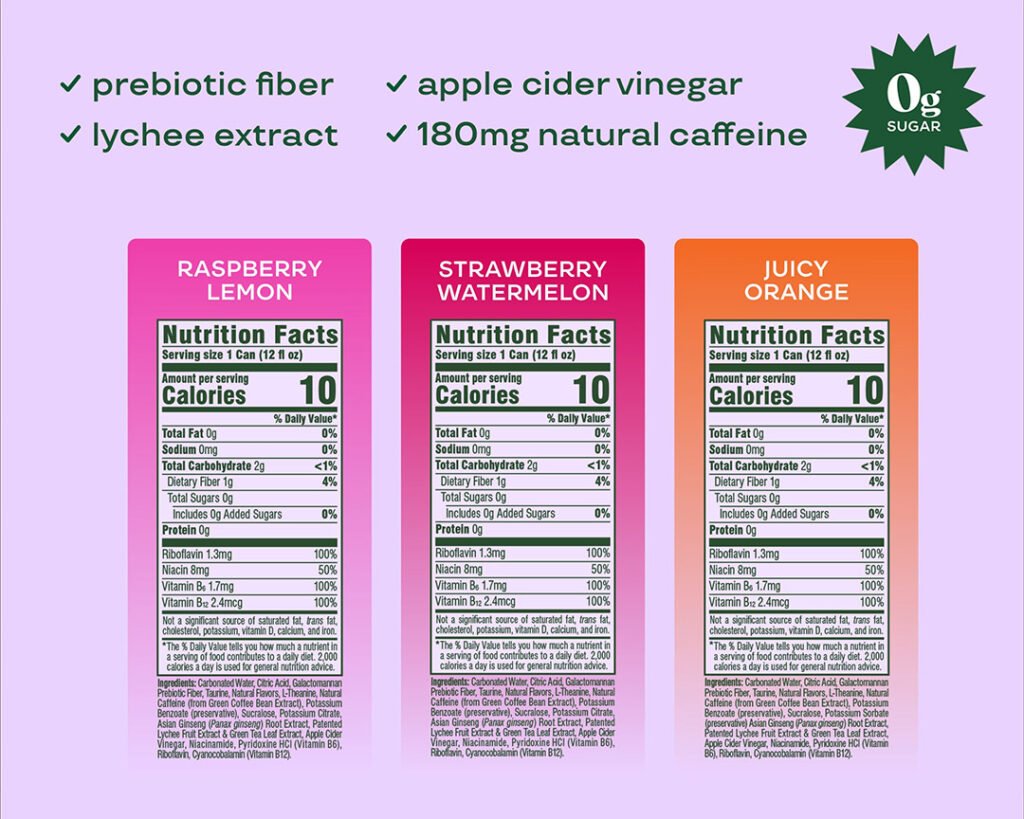
Bloom Energy’s marketing focuses heavily on its ingredient list. While many of these ingredients sound impressive, it’s important to understand what they actually do.
Green Coffee Bean Extract
Bloom’s caffeine primarily comes from green coffee bean extract rather than synthetic caffeine.
From a practical standpoint, your body responds to caffeine similarly regardless of whether it comes from coffee beans or synthetic sources. The “natural caffeine” label may sound appealing, but it doesn’t necessarily make the product healthier.
The primary benefit is transparency regarding the caffeine source rather than a major health advantage.
L-Theanine and Focus Support
One ingredient that genuinely stands out is L-theanine.
L-theanine is an amino acid naturally found in tea leaves and is commonly paired with caffeine in supplements. Research suggests that combining caffeine with L-theanine may improve focus and concentration while reducing some of the jittery side effects commonly associated with high caffeine intake.
This combination is one reason some users report feeling more focused and less anxious after drinking Bloom compared to other energy drinks.
However, Bloom does not publicly disclose the exact amount of L-theanine in every formulation, making it difficult to determine whether the dosage matches those used in scientific studies.
Prebiotics, Vitamins, and Other Wellness Ingredients
Bloom Energy also contains prebiotic fiber, B vitamins, taurine, and various plant-based extracts.
The inclusion of prebiotics aligns with the brand’s focus on gut health. However, the amount of prebiotic fiber present is relatively small compared to what most nutrition experts recommend for meaningful digestive benefits.
Similarly, B vitamins play an important role in energy metabolism, but they do not directly increase energy levels unless someone has a deficiency.
Taurine is another common ingredient found in many energy drinks. Despite misconceptions, taurine is generally considered safe and may support cognitive function and exercise performance.
Overall, these ingredients may provide some benefits, but they should be viewed as complementary additions rather than transformational health boosters.
Is Bloom Energy Drink Good for You?
Yes—Bloom Energy Drink can be a healthier alternative to many traditional energy drinks because it contains zero sugar, very few calories, and ingredients designed to support focus and energy. However, it still contains 180mg of caffeine per 12-ounce can, which is a relatively high amount.
For most healthy adults, Bloom Energy is generally safe when consumed in moderation. That said, it should be viewed as an energy drink rather than a health drink. Its biggest advantage comes from eliminating sugar, not from the wellness ingredients featured in its marketing.
In short, Bloom Energy is a better choice than many sugary competitors, but it is not a substitute for healthy habits like proper sleep, nutrition, hydration, and exercise.
Pros and Cons of Bloom Energy
| Pros | Cons |
| Zero sugar | Contains 180mg of caffeine |
| Only about 10 calories per can | May cause jitters in sensitive individuals |
| Contains L-theanine for smoother energy | Ingredient dosages are not fully disclosed |
| Lower sugar than many competitors | Some wellness ingredients may be present in small amounts |
| Convenient alternative to coffee | Not suitable for children or pregnant women |
Health Benefits vs Marketing Claims
Bloom’s marketing focuses heavily on wellness, highlighting ingredients linked to gut health, focus, and clean energy. While these ingredients are real, it’s important to separate proven benefits from marketing claims.
Bloom’s biggest strengths are its zero-sugar formula and low-calorie profile. Some of its other ingredients may offer benefits, but because certain dosages aren’t disclosed, their real-world impact is difficult to assess. Overall, Bloom sits somewhere between a traditional energy drink and a wellness product—not a miracle drink, but not just marketing either.
Bloom Energy vs Coffee, Celsius, Monster, and Red Bull
One of the easiest ways to evaluate Bloom Energy is by comparing it with other popular caffeinated beverages.
| Drink | Caffeine | Sugar | Calories |
| Bloom Energy (12 oz) | 180mg | 0g | 10 |
| Celsius (12 oz) | 200mg | 0g | 10 |
| Monster Original (16 oz) | 160mg | 54g | 210 |
| Red Bull (8.4 oz) | 80mg | 27g | 110 |
| Brewed Coffee (8 oz) | 95mg | 0g | 2 |
Bloom Energy could be a suitable option for:
Very busy people seeking an afternoon pick-me-up
- Athletes looking for a quick and easy pre-exercise drink.
- Anyone who has cut back on sugar will find that these drinks are a great option.
- People who enjoy coffee but would like a convenient drink-on-the-go option.
- Students who require occasional attention and help to focus.
Who Should Avoid Bloom Energy?
Bloom Energy may not be ideal for:
- Caffeine sensitive people should avoid this product.
- Avoid in people sensitive to caffeine.
- Women who are pregnant or breastfeeding
- Children and teenagers
- People with some heart diseases
- Anyone who currently drinks a high amount of caffeine per day
Expert Perspective: Where Bloom’s Benefits Really Come From
Many people assume Bloom’s wellness ingredients are responsible for most of its effects. In reality, the drink’s noticeable energy boost comes primarily from its 180mg of caffeine.
Ingredients like prebiotics, apple cider vinegar, and botanical extracts may offer additional value, but Bloom’s biggest nutritional advantage is simple: it delivers energy without the high levels of sugar found in many competing energy drinks.
In Short
The zero-sugar content, low calorie and additional ingredients such as L-theanine make Bloom Energy a healthier option than many energy drinks. It is fine for most healthy adults to consume in moderation as part of a healthy lifestyle.
However, its biggest advantage is that it doesn’t contain sugar. While the wellness ingredients add appeal, the drink’s primary effect still comes from its 180mg of caffeine.
Bottom line: Bloom Energy is a better-for-you energy drink, but it’s not a health drink. If you’re looking for a cleaner energy boost, it’s a solid option, but healthy habits will always have a greater impact on overall well-being.
Read More Article on: Zingyzon.com
Frequently Asked Questions
How much caffeine is in a Bloom Energy Drink?
A typical 12-ounce can contains about 180 milligrams of caffeine, smaller cans contain about 100 milligrams.
Is Bloom Energy healthier than Monster?
Bloom is usually lower in calories and contains no sugar, so there are some benefits. Both drinks have a significant amount of caffeine, though.
Can I drink Bloom Energy every day?
Many healthy adults can enjoy Bloom Energy in moderation. Just ensure your total daily caffeine intake stays within recommended limits.
Does Bloom Energy contain sugar?
No. Bloom Energy is marketed as a zero-sugar energy drink.
Does Bloom Energy help with focus?
The combination of caffeine and L-theanine may support focus and concentration, though results vary by individual.
