

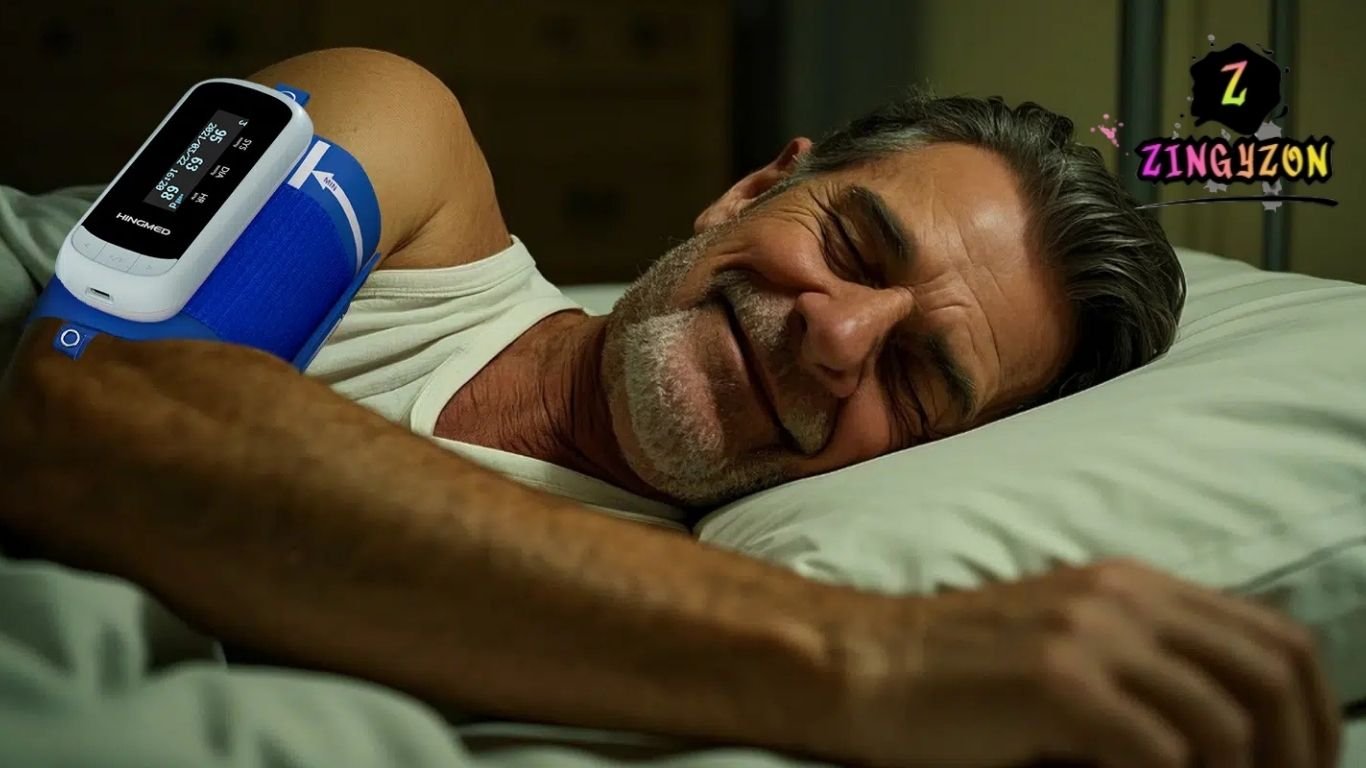
Wearing a 24-hour ECG (Holter monitor) can feel unusual, especially while sleeping. This medical device continuously records your heart’s activity for an entire day, helping doctors detect irregularities that might not appear during a standard clinic ECG. While the monitor is lightweight, adjusting to sleep with electrodes and wires can take some practice.
Wearing a 24-hour ECG monitor, also known as a Holter monitor, can feel unusual at first, especially when it’s time to sleep. This device continuously records your heart’s activity over a full day, helping doctors detect irregularities that might not appear during a brief ECG at a clinic.
What Is a 24-Hour ECG?
A 24-hour ECG involves attaching electrodes to your chest and connecting them to a small recording device, usually clipped to your belt or carried in a pouch. This monitor continuously tracks your heart rhythm, providing detailed data that allows your doctor to evaluate your heart’s activity during everyday activities and while you sleep.
Although the monitor is lightweight, sleeping with electrodes and wires can feel strange at first. The following tips will help you adjust comfortably.
How to Remain Calm During ECG
Feeling anxious before or during an ECG (electrocardiogram) is common, but staying calm can help ensure accurate results. To relax, take slow, deep breaths and focus on steadying your heart rate. Visualize a peaceful place or practice gentle mindfulness to shift your attention away from worry. It also helps to remind yourself that an ECG is a safe, painless procedure that only takes a few minutes. Listening to calming music or having a supportive companion nearby can further reduce stress, making the process smoother and more comfortable.
Tips for Sleeping Comfortably with a 24-Hour ECG
Dress for Comfort
- Wear loose, breathable pajamas.
- Avoid tight tops that press on electrodes or wires.
Choose the Right Sleeping Position
- Sleeping on your back is typically the easiest option.
- If you sleep on your side, place a small pillow under your arm to reduce pressure on electrodes.
- Avoid sleeping on your stomach, which can dislodge electrodes or bend wires.
Protect Wires and Electrodes
- Tuck wires under your pajamas to prevent pulling.
- Avoid twisting or tugging on leads while turning in bed.
- Use medical tape to secure any electrodes that feel loose.
Adjust Your Bedding
- Opt for lightweight sheets to prevent overheating or extra pressure on the monitor.
- Use pillows to cushion areas where wires may rub.
Maintain a Calm Sleep Environment
- Dim the lights and keep the room at a comfortable temperature.
- Avoid caffeine or heavy meals before bed.
Relax Before Sleep
- Practice deep breathing or gentle stretching.
- Remind yourself that the monitor is safe and designed for continuous wear.
What to Avoid While Sleeping with a Holter Monitor
- Water Contact: Do not shower or bathe unless your doctor confirms your monitor is waterproof.
- Touching Electrodes: Avoid scratching or disturbing electrodes during the night.
- Rough Movements: Sudden rolling or jerking can dislodge electrodes.
Additional Tips for Accurate Monitoring
- Stick to Your Sleep Schedule: Follow your usual bedtime routine for more reliable results.
- Track Your Sleep Patterns: Note when you sleep, wake, or experience symptoms to help doctors correlate heart activity with your daily routine.
- Adjust for Comfort: Small tweaks in pillow placement or mattress position can make a significant difference.
Why Proper Sleep Matters
Sleeping well while wearing a 24-hour ECG is crucial because it ensures:
- Accurate Readings: Electrodes that stay in place provide complete, reliable data.
- Better Diagnosis: Doctors can more effectively detect irregular heart rhythms during normal sleep.
- Personal Comfort: A restful night reduces stress, which can otherwise impact heart activity.
How to Sleep with a 24 hour Blood Pressure Monitor
Sleeping while wearing a 24-hour blood pressure monitor can feel unusual at first, but a few adjustments can make it more comfortable and ensure accurate readings. Wear loose, comfortable clothing and avoid tight sleeves that press on the cuff. Try sleeping on your back or on the opposite side of the cuff to reduce pressure, and use a small pillow for support if needed. Keep movements gentle at night to prevent the cuff or tubing from shifting. Maintaining a calm, relaxed environment dim lights, cool room, and deep breathing before sleep can help you rest while the monitor continuously records your blood pressure throughout the night.
Managing Anxiety While Wearing a 24-Hour ECG
Feeling anxious is normal when using a Holter monitor. Reducing stress improves both your comfort and the quality of heart data:
- Focus on slow, controlled breathing.
- Listen to calming music or practice guided meditation.
- Remind yourself that the device is non-invasive, safe, and temporary.
- Avoid watching the monitor or worrying about the electrodes; most issues can be resolved with minor adjustments.
Frequently Asked Questions
Can I sleep normally with a 24-hour ECG monitor?
Yes, you can sleep normally, but it may take a little adjustment. Sleeping on your back or the side opposite the electrodes is usually most comfortable. Avoid sleeping on your stomach to prevent the electrodes from dislodging.
What clothing is best for sleeping with a Holter monitor?
Wear loose, soft pajamas or a nightshirt. Avoid tight shirts that press on electrodes or wires, as they can cause discomfort or affect readings.
How can I prevent the electrodes from falling off during sleep?
Tuck wires under your clothing or bedding, and secure any loose electrodes with medical tape if needed. Avoid sudden movements or rolling abruptly at night.
Can I move in bed while wearing a 24-hour ECG?
Yes, but move gently to avoid pulling or twisting the leads. Using pillows to cushion areas where wires might rub can make turning easier.
Should I follow my normal sleep routine while wearing the monitor?
Absolutely. Maintaining your usual bedtime and sleep environment ensures more accurate readings and better correlation between heart activity and daily routines.
What can I do if I feel anxious while sleeping with the ECG monitor?
Practice deep breathing, gentle stretching, or listen to calming music before bed. Remind yourself that the monitor is safe, non-invasive, and designed for continuous 24-hour use.
Conclusion
Sleeping comfortably with a 24-hour ECG (Holter monitor) is entirely possible with the right preparation and techniques. Choosing loose clothing, adjusting your sleeping position, protecting electrodes and wires, and creating a calm bedtime routine can significantly improve your comfort. Following these tips not only helps you rest well but also ensures accurate heart monitoring, allowing your doctor to assess your heart rhythm reliably. By staying relaxed, being mindful of your movements, and maintaining your usual sleep habits, you can complete your 24-hour ECG test safely and comfortably, making the process easier and less stressful.
