

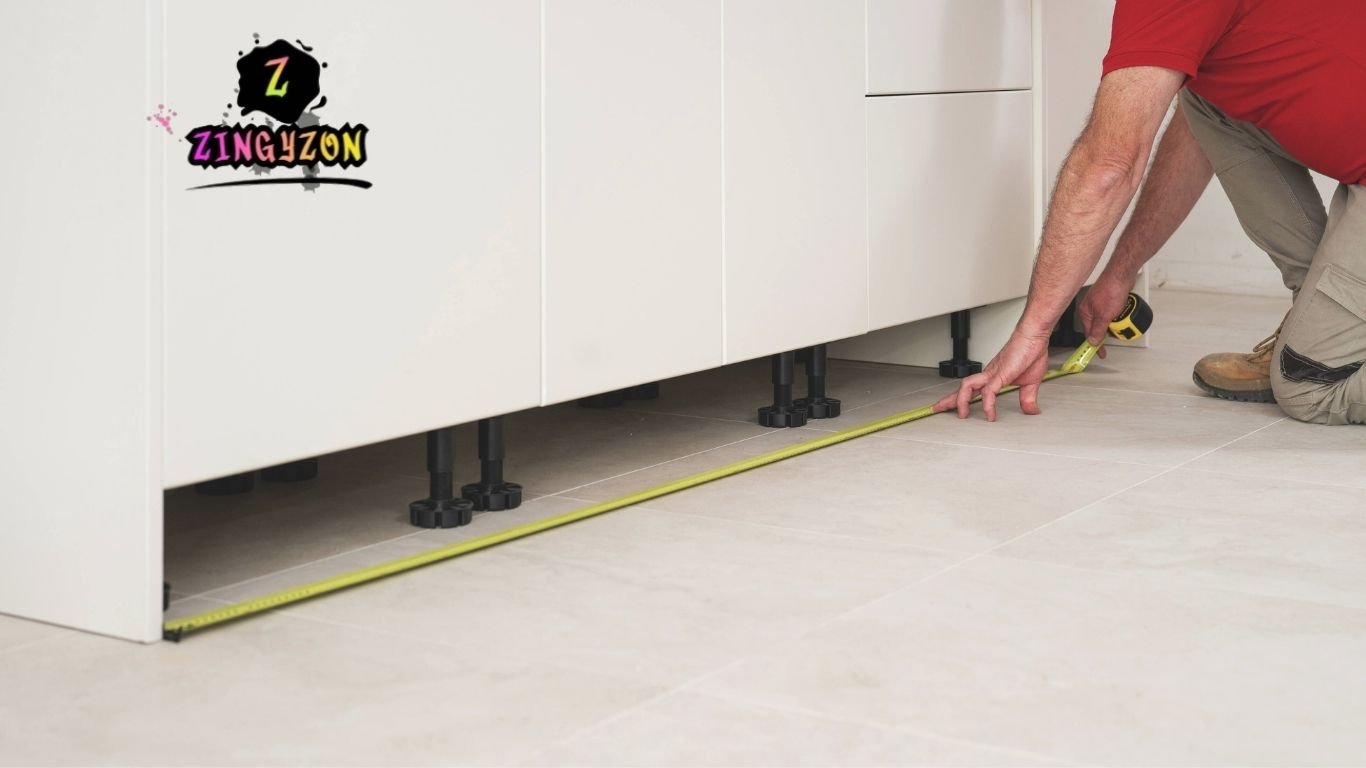
Kickboards, also known as plinths, are the panels installed along the base of your kitchen cabinets. They hide cabinet legs and give your kitchen a polished, finished look. However, there are times when you’ll need to remove them, whether it’s to access plumbing, inspect for pests, or clean underneath the cabinets. Knowing how to safely remove kitchen kickboards without causing damage is especially important if your kitchen has been professionally mouse-proofed.
Kitchen design isn’t just about countertops, cabinets, and appliances it’s the small details that make a kitchen truly functional and visually appealing. One such often-overlooked feature is the kitchen kickboard. Also called plinths, these panels sit along the base of your kitchen cabinets, hiding cabinet legs and creating a clean, finished look. In this guide, we’ll cover everything you need to know about kitchen kickboards, from their purpose and types to installation, removal, and maintenance.
What Are Kitchen Kickboards?
Kitchen kickboards, also called plinths, are panels installed at the base of kitchen cabinets. They serve multiple purposes:
- Aesthetic appeal: Kickboards hide the cabinet legs and gaps, giving your kitchen a seamless, professional finish.
- Protection: They prevent dirt, dust, and spills from getting under cabinets, reducing cleaning hassles.
- Mouse-proofing: Professionally installed kickboards can help block small pests from entering under the cabinets.
Remove Kitchen Kickboards?
There are several common reasons to take off your kitchen kickboards:
- Plumbing or appliance repairs: Hidden pipes, wires, or connections often sit behind kickboards. Removing them gives you easy access.
- Mouse-proofing inspections: Mice can squeeze through tiny gaps. Checking the area behind your kickboards helps prevent infestations.
- Cleaning and maintenance: Dust, crumbs, and moisture can accumulate under cabinets over time.
- Replacement or redesign: Installing new flooring or updating kitchen units often requires temporarily removing the kickboards.
Tools You’ll Need
Before you start, gather these simple tools:
- Suction cups or a flat pry tool
- Stanley knife (for silicone-sealed boards)
- Small fork bent at 90° (if no gap is available for gripping)
- Soft cloth (to protect surfaces)
Guide to Removing Kitchen Kickboards
Check for Silicone or Screws
Kickboards may be attached with silicone or screws. If using silicone, carefully cut along the edge with a Stanley knife. If screws are present, remove them first.
Use Appliance Gaps for Access
Look for a gap beneath a dishwasher or cabinets. Gently pull the kickboard toward you. If there’s no handhold, use suction cups or the bent fork to hook and lift the panel.
Apply Even Pressure
Work along the kickboard’s length evenly. Avoid yanking from one corner, as this can cause cracks or breakage. Move slowly and steadily.
Inspect and Clean Behind the Kickboard
After removal, check the area for gaps or holes. Fill any openings with wire wool and sealant to prevent pests from entering.
Reattach the Kickboard Properly
Once maintenance is complete, carefully align the kickboard back in place. Ensure it sits flush against the cabinet base, especially around corners and appliances.
Protecting Mouse-Proofing
If your kitchen is mouse-proofed, follow these tips to maintain it:
- Reinstall proofing after repairs: Ensure plumbers or electricians put the barrier back exactly as it was.
- Seal kickboards tightly: Avoid leaving gaps during reinstallation.
- Inspect regularly: Check walls and corners for cracks or openings that could allow entry.
How to Remove kick Molding
Removing kick molding, also known as a kitchen kickboard or plinth, is a straightforward task if done carefully. These panels sit along the base of your cabinets, hiding legs and providing a finished look. To remove them, first check if they are held in place with screws or silicone. If screws are present, simply unscrew them; if sealed with silicone, carefully cut along the edges using a utility knife. Use gentle, even pressure to pull the molding away from the cabinets. Tools like suction cups or a bent fork can help if there’s no handhold. Once removed, inspect the area for dust, debris, or gaps, and clean or seal as needed before reattaching or replacing the molding.
How to Remove the Bottom of a kitchen Cabinet
Removing the bottom panel of a kitchen cabinet is a careful process that allows access for repairs, cleaning, or upgrades. Start by emptying the cabinet and inspecting how the bottom is attached, typically with screws, nails, or adhesive. If screws are used, remove them with a screwdriver; if nails are present, gently pry the panel up using a flat pry tool while protecting the cabinet with a soft cloth. For glued or sealed panels, carefully cut along the edges with a utility knife to loosen them. Work slowly and evenly along the panel to avoid cracking or damaging the surrounding structure. Once removed, clean the area, make any necessary repairs, and reinstall or replace the bottom panel securely.
Frequently Asked Questions
What is a kitchen kickboard?
A kitchen kickboard, also called a plinth, is the panel installed at the base of cabinets. It hides cabinet legs, protects against dust and pests, and gives your kitchen a polished, finished look.
Why do kitchen kickboards need to be removed?
Kickboards are removed for plumbing or appliance repairs, cleaning, pest inspections, or during kitchen renovations and flooring updates.
How can I safely remove kitchen kickboards?
Check if they are attached with screws or silicone. Remove screws or cut silicone carefully with a utility knife. Use suction cups or a flat tool for gentle, even lifting to avoid damage.
What materials are kitchen kickboards made of?
Kickboards can be made of wood, MDF, aluminum, stainless steel, or plastic. Each type has different durability, moisture resistance, and maintenance needs.
How do I maintain kitchen kickboards?
Regularly clean them to remove dust and crumbs, inspect for damage or gaps, and ensure they remain tightly sealed to maintain aesthetics and mouse-proofing.
When should I hire a professional to remove kickboards?
Call a professional if the kickboards are firmly glued, custom-fitted, or part of a mouse-proofing system. Professionals can remove them safely without damaging cabinets or barriers.
Conclusion
Though often overlooked, kitchen kickboards are an essential part of a functional and aesthetically pleasing kitchen. They protect your cabinets, prevent pests, and give your kitchen a polished finish. Understanding their purpose, types, and proper maintenance ensures that your kitchen remains both beautiful and practical.
Whether you’re removing them for cleaning, repairs, or renovations, following proper steps and using the right tools is crucial to prevent damage. With the tips in this guide, homeowners can confidently manage their kickboards while keeping their kitchen safe, clean, and mouse-proof.
