

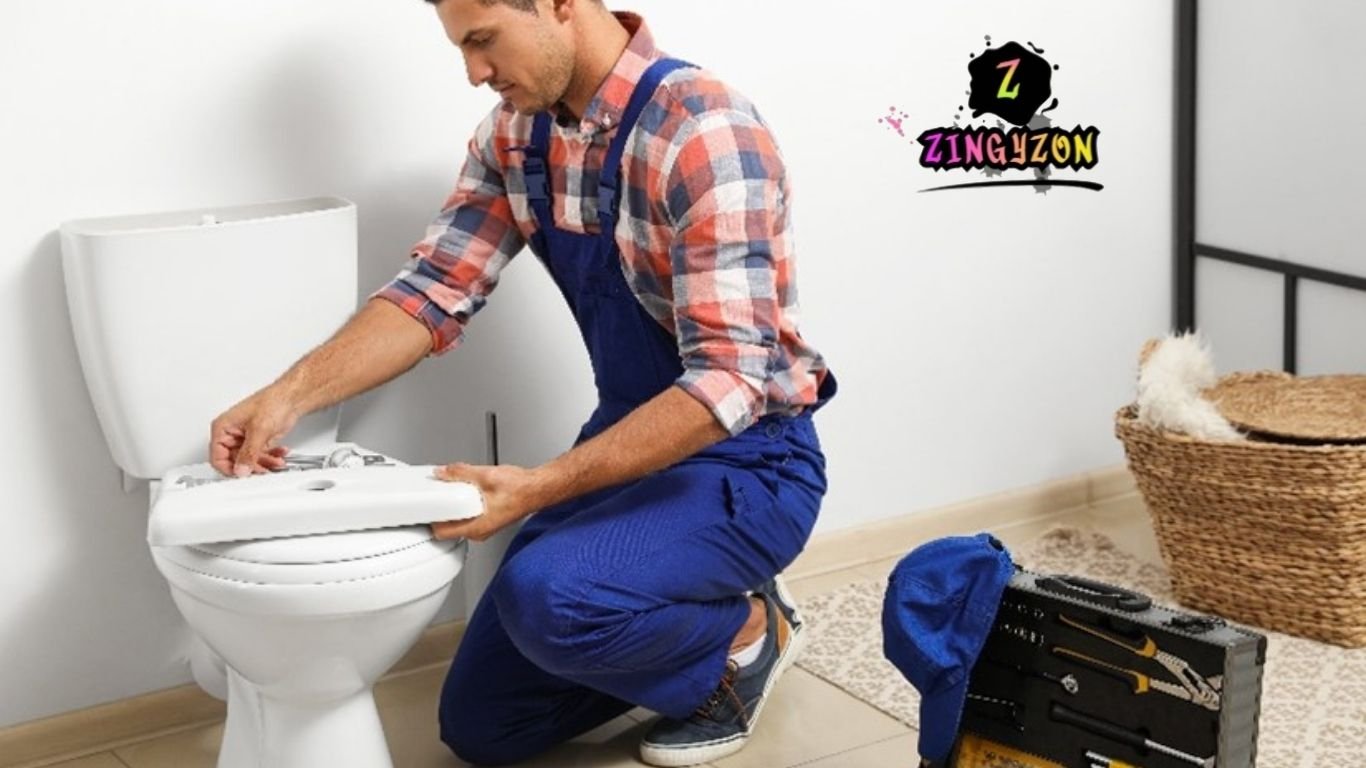
A toilet may not be the most stylish fixture in your home, but it is undoubtedly one of the most important. When issues like leaks, constant running, or weak flushing arise, many homeowners face a common question should you repair your toilet or replace it entirely.
Choosing the right option can help you avoid unnecessary expenses, reduce water waste, and prevent long-term plumbing problems. Below, we break down when a simple repair will do and when it’s time to invest in a new toilet.
When a Toilet Repair Is the Best Option
Toilets are built to last, and many common issues can be fixed quickly without replacing the entire unit. Here are some problems that are usually easy to repair:
Running Toilet
A toilet that continues to run after flushing is one of the most common household plumbing issues. This is often caused by a worn-out flapper, a faulty fill valve, or an improperly adjusted float. Fortunately, these components are inexpensive and easy to replace, making this a quick and cost-effective fix.
Weak or Inconsistent Flush
If your toilet isn’t flushing properly, the issue may be due to:
- Partial clogs
- Low water levels in the tank
- Mineral buildup in the rim jets
Loose or Wobbly Toilet
A toilet that feels unstable is often the result of loose bolts or a worn wax ring at the base. Tightening the bolts or replacing the seal can usually solve the issue without needing a full replacement.
Minor Surface Damage
Problems like a cracked toilet seat or a broken flush handle are purely cosmetic or mechanical. These parts are affordable and widely available, making them simple DIY fixes.
When It’s Time to Replace Your Toilet
While repairs can extend the life of your toilet, there are situations where replacement is the smarter and more economical decision.
Frequent Repairs
If you find yourself constantly fixing different issues, your toilet may be nearing the end of its lifespan. Ongoing repairs can quickly add up, making replacement a more cost-effective long-term solution.
Cracks in the Tank or Bowl
Even small cracks in the porcelain can lead to serious water leaks and potential flooding. If you notice water pooling around the base or visible fractures, replacing the toilet is the safest option.
Outdated and Inefficient Models
Older toilets can use up to 12 litres of water per flush, while modern dual-flush models use as little as 3–6 litres. Upgrading to a water-efficient toilet can significantly lower your water bills and reduce environmental impact.
Poor Flushing Performance
If your toilet frequently clogs or struggles to clear waste even after multiple flushes it may be due to outdated design or internal buildup. In such cases, replacing the unit often provides a more reliable solution.
Structural Instability or Floor Damage
A persistently wobbly toilet could indicate deeper issues, such as subfloor rot or water damage. In these cases, replacing the toilet and repairing the underlying flooring is essential for safety and durability.
Benefits of Replacing Your Toilet

Replacing your toilet might seem like a big investment, but it offers several long-term advantages:
Improved Water Efficiency
Modern toilets use less water without compromising performance.
Better Flushing Power
New designs provide stronger, more reliable flushing with fewer clogs.
Enhanced Comfort and Design
Upgraded toilets come with:
- Sleek designs
- Comfortable seating heights
- Quiet flushing systems
Lower Maintenance Costs
A new toilet reduces the need for frequent repairs, saving money over time.
Frequently Asked Questions
What causes a toilet to keep running after flushing?
A running toilet is usually caused by a worn-out flapper, faulty fill valve, or an improperly adjusted float. These components fail to stop water from flowing continuously into the bowl.
How do I fix a running toilet quickly?
To fix a running toilet, check the flapper for damage, adjust the float level, and inspect the fill valve. Replacing worn parts is often an easy and inexpensive DIY solution.
Can a running toilet increase my water bill?
Yes, a running toilet can waste hundreds of litres of water daily, significantly increasing your water bill if not fixed promptly.
When should I replace instead of repair a running toilet?
You should consider replacing your toilet if it requires frequent repairs, has cracks in the tank or bowl, or is an older, inefficient model using excessive water.
Is fixing a running toilet a DIY job?
Yes, most running toilet issues can be fixed without professional help using basic tools. However, complex problems may require a plumber.
How long does it take to repair a running toilet?
Most toilet repairs take between 15 to 30 minutes, depending on the issue and your experience level.
Conclusion
Fixing a running toilet doesn’t have to be complicated or expensive. In most cases, simple repairs like replacing a worn flapper, adjusting the float, or fixing a faulty fill valve can quickly restore your toilet’s performance and stop unnecessary water waste. These small fixes not only save money but also help conserve water and improve household efficiency.
it’s equally important to recognize when repairs are no longer enough. If your toilet is outdated, frequently breaking down, or showing signs of structural damage, replacing it can be a smarter long-term investment. A modern, water-efficient toilet offers better performance, lower utility bills, and greater reliability.
