

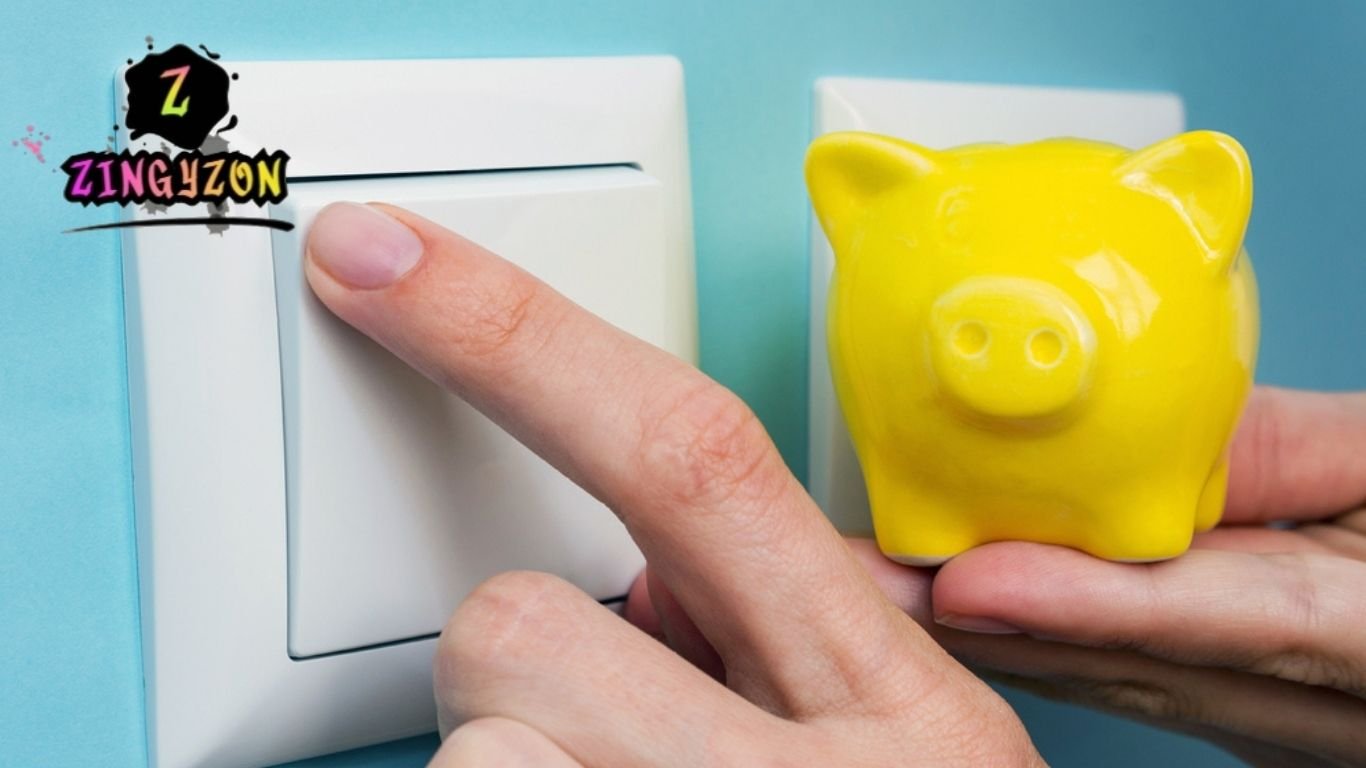
Australia is increasingly embracing green energy, and the government is rewarding homeowners who follow suit. If you’ve been considering making your home more energy-efficient, now is the perfect time. With significant rebates available particularly through programs like Victorian Energy Upgrades (VEU) you can save substantially on appliances, heating and cooling systems, insulation, lighting, and more.
As energy prices continue to rise across Australia, homeowners are seeking ways to lower their electricity bills while contributing to a more sustainable future. Fortunately, the government offers numerous energy rebate opportunities that can help offset the cost of energy-efficient upgrades. If you’ve been considering improving your home’s energy efficiency, this is the perfect time to take advantage of these programs.
What Are Energy Rebates?
Rising energy prices in Australia are a growing concern for homeowners. During hot summers or cold winters, electricity usage spikes, leading to higher bills and increased carbon emissions.
To address this, both state and federal governments offer energy rebates monetary incentives that cover part of the cost of purchasing and installing energy-efficient appliances and systems.
Benefits of energy rebates include:
- Lower upfront costs for energy-efficient upgrades
- Reduced electricity consumption
- Ongoing monthly savings
- Positive environmental impact
You Me Like It: zingyzon.com
Key rebate programs currently available include:
Energy Saver Rebates: Federal rebates for new white goods, hot water systems, solar panels, home insulation, and energy audits.
Solar Bonus Scheme (NSW): Cash payments for each megawatt-hour of solar power generated.
Victorian Solar Homes Program: Covers up to half the cost of solar panels and batteries.
Air Conditioner Rebates
Air conditioner rebates are among the most popular options in Victoria. Whether installing a new system or replacing an old one, you may qualify for substantial discounts through the VEU program.
Energy-efficient air conditioners especially reverse-cycle and thermo-smart systems consume far less electricity than conventional models. The government encourages homeowners to make the switch.
Potential savings:
- Hundreds of dollars upfront
- Thousands of dollars in energy costs over time, depending on the model and installation timing
Hot Water System Upgrades
Hot water systems are among the highest energy consumers in the home. Replacing an old system with a modern heat pump or solar hot water system can significantly reduce energy bills.
Victorian energy rebate programs offer support for:
- Purchasing efficient hot water systems
- Installation costs
- Faster heating and reduced energy consumption
Home Insulation Rebates
Proper insulation can cut energy bills by up to 45%, yet many Australians don’t take full advantage of this opportunity. Roof, wall, and floor insulation rebates are widely available. In Victoria, VEU-approved installers can deduct rebates at the point of installation no forms, no waiting, no hassle.
LED Lighting Rebates
Still using halogen or fluorescent lights? Switching to energy-efficient LED lighting is simple and effective. VEU-approved installers can replace outdated fixtures, with most or all costs covered by government rebates. Low-income households may even receive the upgrade at no cost. Immediate savings and energy reduction make this one of the easiest improvements.
Solar Panel Rebates
Solar rebates are readily available and highly beneficial. Programs like Solar Victoria provide:
- Rebates of up to $1,400 on solar panels
- Access to interest-free loans
- Additional rebates for solar hot water systems and batteries
Eligibility depends on household income and property value, but for many homeowners, these programs can transform energy costs sometimes even allowing surplus energy to be sold back to the grid.
Draft Sealing Rebates
Drafty windows and doors can waste energy and increase bills. Draft sealing is now included in many VEU-approved upgrades. Professional sealing helps:
- Maintain comfortable indoor temperatures
- Reduce air-conditioning and heating loads
- Lower energy bills
Low-Income Appliance Rebates
Concession card holders and vulnerable households may qualify for additional rebates on:
- Energy-efficient fridges and washing machines
- Cooling and heating systems
- Energy monitoring equipment
Rebates for Rental Properties
The Victorian government has extended energy rebates to rental homes. Tenants benefit from more comfortable, eco-friendly living, while landlords enhance property value and meet future compliance targets.
Available upgrades include:
- Heating and cooling retrofits
- Draught-proofing
- Insulation
- Hot water system replacements
How to Claim a Rebate
- Choose a VEU-accredited provider (look for the red VEU logo or request accreditation documents).
- Request a quote and confirm your eligibility your installer can guide you.
- Allow the installer to manage the paperwork.
- Enjoy your upgrades at a reduced cost.
Stay Updated: Rebates Can Change
Rebate programs evolve with budgets, technologies, and eligibility rules. Some may expire when targets are met.
Tips to maximize savings:
- Act early
- Lock in your installation
- Monitor government announcements
Frequently Asked Questions
What are energy rebate opportunities in Australia?
Energy rebate opportunities are government incentives that help homeowners reduce the cost of energy-efficient upgrades. They provide financial support for appliances, heating and cooling systems, insulation, solar panels, and other home improvements.
Who is eligible for energy rebates in Victoria?
Homeowners, renters (with landlord approval), and low-income households may qualify for energy rebates. Programs like Victorian Energy Upgrades (VEU) and Solar Victoria have specific eligibility criteria based on household type, income, and property location.
Which home upgrades qualify for energy rebates?
Upgrades that typically qualify include energy-efficient air conditioners, hot water systems, heat pumps, home insulation (roof, walls, floors), LED lighting, solar panels and batteries, and door and window draft sealing.
How much can I save with energy rebates?
Savings vary by program and upgrade type. Air conditioners can save $200–$1,000+ upfront, hot water systems $500–$1,500, and insulation can reduce heating and cooling costs by up to 45%, while solar panels can provide $1,400+ in rebates and long-term electricity savings.
How do energy rebates help homeowners?
Energy rebates reduce upfront costs, lower monthly electricity bills, improve home comfort, and support environmental sustainability. They also make it easier for households to invest in modern, energy-efficient technologies.
Are energy rebate programs worth it?
Yes. Even using just one or two rebates can lead to substantial long-term financial savings while reducing carbon emissions and increasing the overall value and efficiency of your home.
Conclusion
Energy rebate opportunities offer homeowners a smart way to save money, reduce energy consumption, and create a more sustainable home. From air conditioners, hot water systems, and home insulation to LED lighting and solar panels, these rebates make energy-efficient upgrades more affordable and accessible. By taking advantage of programs like Victorian Energy Upgrades (VEU) and Solar Victoria, you can lower your electricity bills, increase home comfort, and contribute to a greener future.
Acting on these opportunities now ensures maximum savings and long-term benefits for both your wallet and the environment. Don’t overlook the chance to make your home energy-efficient while enjoying significant financial rewards.
