

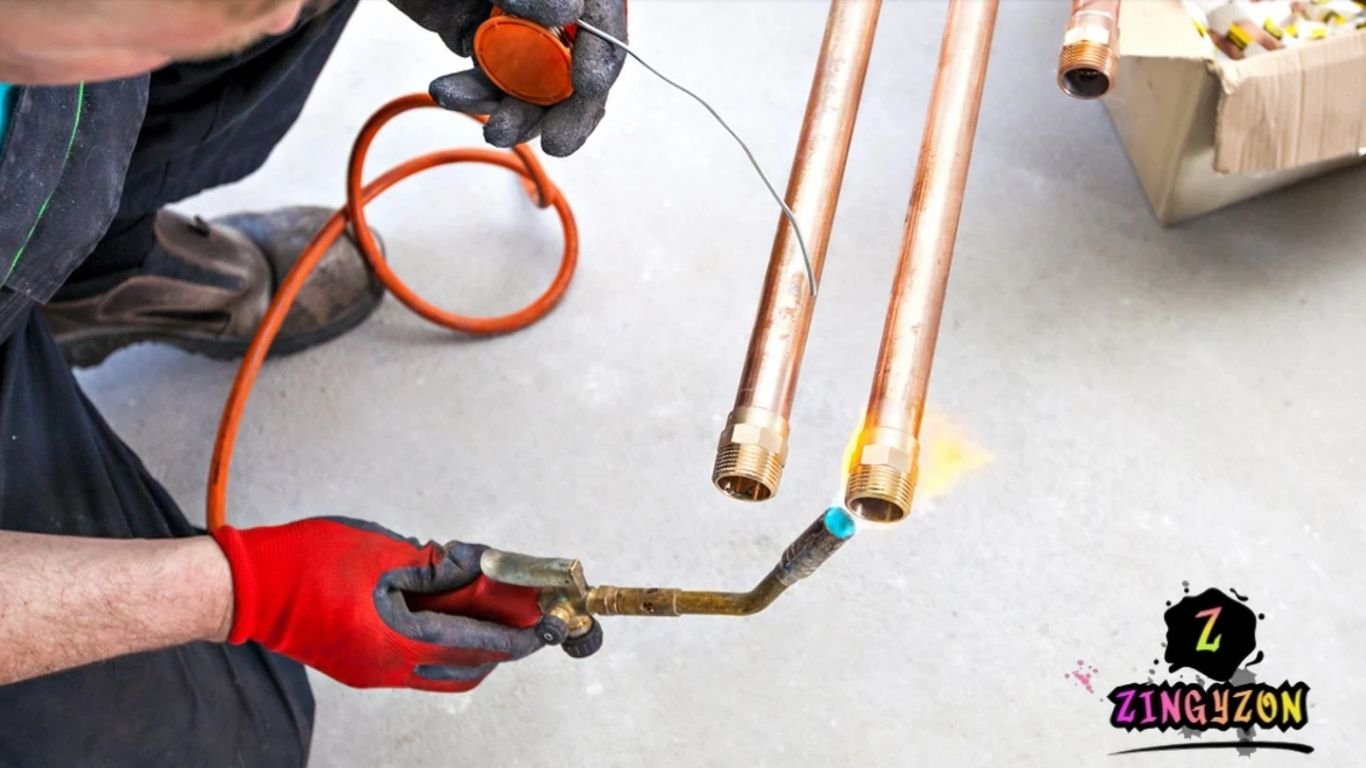
Brazing copper can feel intimidating when you’re just getting started. Weak joints, filler metal that refuses to flow, or copper that ends up scorched instead of smooth are common early frustrations. The good news is that brazing becomes much easier once you understand the fundamentals and consistently apply the correct techniques.
Brazing copper at home is a valuable skill for DIY enthusiasts, plumbers, and metalworkers alike. Whether you’re repairing copper pipes, creating art projects, or building custom metalwork, understanding how to properly braze copper ensures strong, leak-free joints. This guide provides a professional, step-by-step approach to safely and effectively brazing copper.
What Is Brazing and Why Use It for Copper?
Brazing is a metal-joining process in which two or more metal pieces are fused together using a filler metal with a lower melting point than the base metals. Unlike welding, brazing does not melt the copper itself, which helps maintain the metal’s integrity and strength.
Why brazing copper?
- Creates strong, leak-proof joints
- Suitable for plumbing, HVAC, and metal art
- Less risk of warping or damaging copper compared to welding
- Works for both thin and thick copper pieces
The Basics of Copper Brazing
Copper brazing is a joining process in which two copper pieces are bonded using a filler metal that melts at a lower temperature than copper. As the filler melts, it flows into the joint and forms a strong bond as it cools.
How Brazing Works
- A torch evenly heats both copper pieces.
- When the correct temperature is reached, the filler metal melts and flows into the joint.
- As the filler cools, it creates a strong, leak-resistant connection.
Temperature control is critical. Overheating can burn the copper or damage the filler metal, leading to weak joints.
Ideal Joint Gap
For best results, the joint gap should be between 0.001 and 0.005 inches, allowing proper capillary action so the filler flows evenly.
Common Applications of Copper Brazing
Copper brazing is widely used in:
- Plumbing systems
- HVAC installations
- Electrical components
- Mechanical and maintenance repairs
Brazing vs. Welding
- Welding melts the base metals themselves.
- Brazing melts only the filler metal.
Because the copper remains solid, brazing reduces warping and preserves the metal’s strength. Compared to soldering, brazing operates at higher temperatures and produces much stronger joints.
Tools and Safety Equipment You’ll Need
Using the right tools and safety gear ensures cleaner results and protects you during the process.
Essential Tools and Equipment
- Propane or acetylene torch
- Brazing rods (filler metal)
- Flux to prevent oxidation
- Wire brushes or abrasive pads
- Tube cutters or hacksaw
- Heat-resistant work surface
- Protective gloves
- Safety glasses or face shield
- Cotton clothing (avoid synthetic fabrics)
- Ventilation fan
- Fire extinguisher
Preparing Copper Surfaces Before Brazing
Proper preparation is the foundation of a strong, clean joint.
Preparation Steps
Clean the metal
Remove grease, oil, and dirt using a degreasing cloth or methanol.
Remove oxidation
Use a wire brush, emery cloth, or abrasive pad to polish the copper until it is clean and shiny.
Fit the joint correctly
Ensure a small, even gap so the filler metal can flow smoothly.
Apply flux
Flux prevents oxidation and helps the filler spread evenly. Apply it immediately after cleaning.
Keep surfaces dry
Moisture can interfere with bonding and create voids in the joint.
Choosing the Right Filler Metal and Flux
The filler metal and flux you choose directly affect joint strength and reliability.
Common Filler Metal Options
Silver alloys
- Excellent flow characteristics
- Very strong joints
- Ideal for leak-free seals
Phosphorus-copper alloys
- Commonly used for copper-to-copper joints
- Often do not require flux
Brass (copper-zinc alloys)
- More economical
- Requires flux
Always ensure the filler metal melts at a lower temperature than copper to avoid damaging the base material.
Flux Selection
Select flux based on the filler metal and working temperature:
- General-purpose flux for standard jobs
- High-temperature flux for demanding applications
- Use only clean, uncontaminated filler rods and flux.
Heating Techniques and the Brazing Process
Different heating methods are used depending on the size and type of project.
Common Heating Methods
- Torch brazing: Best for small repairs and DIY projects
- Furnace brazing: Used for large-scale production
- Induction brazing: Fast, precise, and automated
- Resistance brazing: Effective for conductive metals and simple joints
Step-by-Step Brazing Process
- Clean the joint, then apply flux.
- Heat the copper evenly rather than focusing on the filler.
- When the correct temperature is reached, the filler will melt and flow naturally.
- Allow capillary action to draw the filler into the joint.
- Let the joint cool undisturbed.
Cooling and Post-Brazing Cleanup
Cooling
Allow the joint to cool naturally in open air. Rapid cooling, such as quenching in water, can cause cracks and weaken the bond.
Cleaning After Brazing
Flux residue hardens into a glass-like coating that can cause corrosion if left behind.
To remove it:
- Soak the joint in warm water
- Scrub with a wire brush
- Use a vinegar-water solution for stubborn residue
- Dry the copper thoroughly
Common Brazing Mistakes to Avoid
- Inadequate cleaning
- Using the wrong flux
- Overheating the copper
- Placing filler directly in the flame
- Choosing the wrong filler metal
- Moving the joint before it cools
- Skipping safety equipment
- Failing to inspect the final joint
- Cooling the joint too quickly
Example: Copper-Phosphorus Brazing Alloys
Copper-phosphorus alloys are commonly used in HVAC, plumbing, and electrical applications due to their strength and reliability.
Examples include:
- SCuP-2: Ductile alloy suitable for medium-gap joints
- SCuP-3: Good flow and flexibility for larger gaps
- SCuP-5Sn: Low-melting alloy often used in water heaters and sanitary equipment
- SCuP-6Sn and SCuP-7Sn: Common in heating devices and sanitary fittings
Clean the Copper Pieces
Proper surface preparation is a critical step when brazing copper. To ensure a strong, reliable joint, all surfaces to be joined must be thoroughly cleaned and free from dirt, oil, or other contaminants. Neglecting this step can lead to weak bonds or even complete joint failure.
Copper can be cleaned using various methods, such as a wire brush, sandpaper, or chemical cleaners. The choice of method depends on the size and shape of the copper pieces, as well as the type of contaminants present.
It’s also important to consider that copper oxidizes rapidly when exposed to air, forming a surface layer of copper oxide. This oxide layer must be removed before brazing, as it can interfere with proper bonding. Removal can be accomplished with a wire brush, sandpaper, or a chemical cleaner specifically formulated to eliminate copper oxide.
Frequently Asked Questions
What is the best way to clean copper before brazing at home?
Before brazing, copper surfaces should be free of dirt, oil, and oxidation. Use a wire brush, fine sandpaper, or a chemical cleaner to remove contaminants and the copper oxide layer. Clean surfaces ensure strong, leak-proof joints.
Which type of flux should I use for copper brazing?
For home copper brazing, use a flux specifically designed for copper and copper alloys. Silver-bearing flux or borax-based flux works well to prevent oxidation and help the filler metal flow evenly into the joint.
Can I braze copper with a propane torch at home?
Yes, a propane or MAP gas torch is suitable for home brazing. Heat the copper evenly and avoid applying the flame directly to the filler metal to ensure proper capillary flow and strong joints.
How do I know when the copper is hot enough for brazing?
The copper is ready when it reaches the melting temperature of your brazing filler (typically 1200–1600°F / 650–870°C for silver or copper-phosphorus rods). The metal should be hot enough to melt the filler when it touches the joint without burning the flux.
Can I quench copper after brazing?
No, avoid quenching. Let the joint cool naturally to prevent thermal shock, which can weaken the bond. After cooling, clean off any residual flux to prevent corrosion.
What are common mistakes to avoid when brazing copper at home?
Common mistakes include skipping surface preparation, overheating, applying filler too early, and leaving gaps too wide. Always wear safety gear, use proper flux, and heat the joint evenly for best results.
Conclusion
Brazing copper at home is a practical and rewarding skill that lets you create strong, durable, leakproof joints for plumbing, DIY projects, or metalwork. The key to success lies in proper surface preparation, using the right flux and filler, applying controlled heat, and following safety precautions. By carefully cleaning the copper, assembling the pieces correctly, and heating them evenly, you can achieve professional-quality results without specialized industrial equipment.
With practice and attention to detail, anyone can master home copper brazing, making it a valuable skill for both beginners and experienced DIY enthusiasts. Remember, patience, safety, and precision are the cornerstones of successful copper brazing.
