

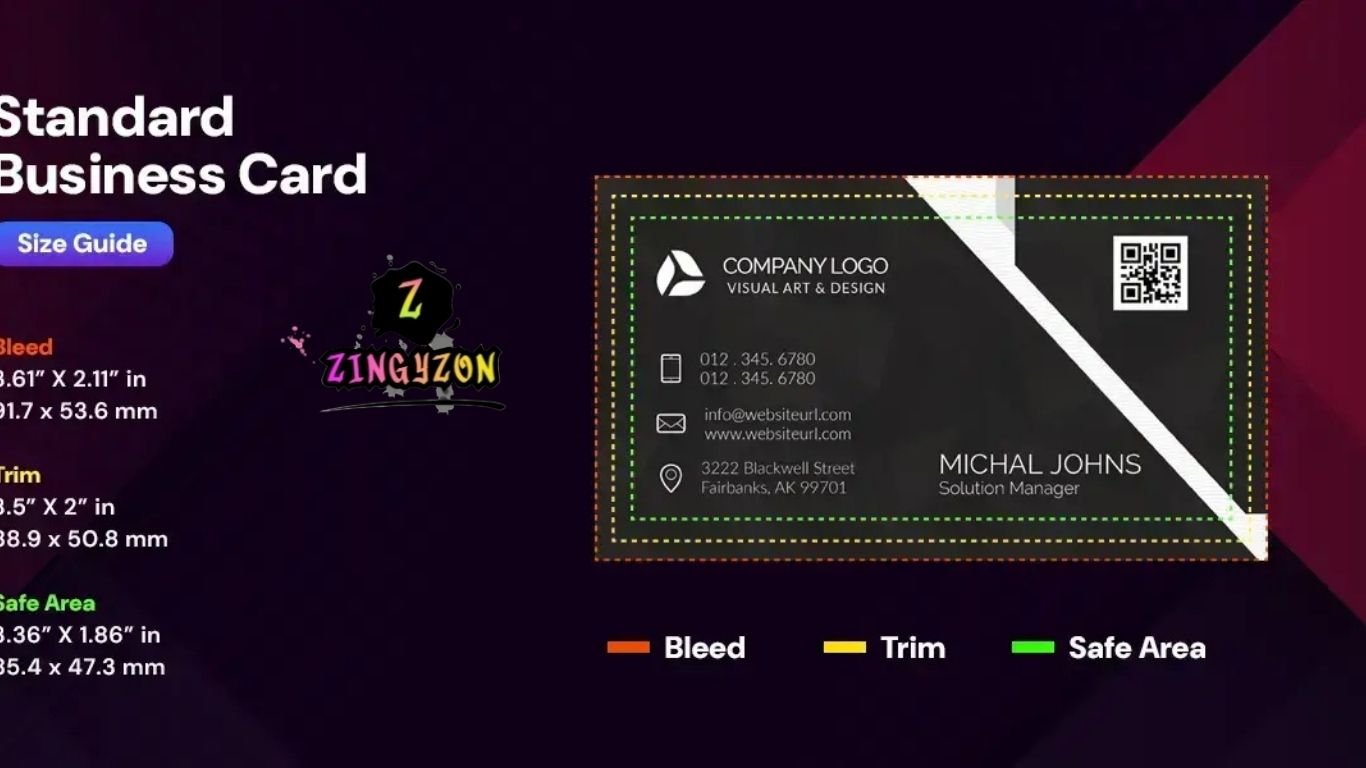
A professional business card begins with understanding business card sizing. The dimensions you choose directly influence your card’s appearance, usability, and overall impression. From traditional printed cards to modern digital formats, selecting the right size ensures your business card looks polished, fits seamlessly into everyday use, and communicates your brand effectively.
A professional business card is more than just a piece of paper it’s a powerful branding tool that leaves a lasting first impression. One of the most important yet often overlooked aspects of card design is business card size. Choosing the right dimensions affects how your card looks, feels, fits into wallets, and communicates your brand identity.
Why Business Card Size Matters
Business card size plays a crucial role in both presentation and usability. A well-sized card feels comfortable to hold, fits easily into cardholders, and displays your information clearly. On the other hand, an oversized or oddly shaped card may look creative but can be inconvenient to store, increasing the likelihood it will be discarded.
From a branding perspective, size influences how your design elements are arranged. The right dimensions ensure proper spacing, readability, and visual balance, all of which contribute to a professional appearance.
Standard Business Card Sizes
Business card sizes vary slightly by region, but the following dimensions are widely accepted as industry standards:
- United States & Canada: 3.5 × 2 inches (89 × 51 mm)
- Europe & United Kingdom: 3.35 × 2.17 inches (85 × 55 mm)
- Australia & New Zealand: 3.54 × 2.17 inches (90 × 55 mm)
- Japan: 3.58 × 2.17 inches (91 × 55 mm)
These standard sizes are designed to fit comfortably in wallets, cardholders, and filing systems. Choosing a recognized format helps maintain a professional appearance and ensures your card is easy to store and share.
Choosing the Right Business Card Size
When deciding on the ideal business card sizing, keep the following factors in mind:
- Industry Standards: Creative fields may experiment with unique sizes, while corporate and traditional industries typically prefer standard dimensions.
- Printing Compatibility: Always confirm that your chosen size aligns with your printer’s specifications to avoid trimming or distortion issues.
- Practical Use: Your card should fit effortlessly into wallets and card cases for everyday convenience.
- Design Balance: Select a size that offers enough room for your logo, contact details, and design elements without appearing crowded.
Business Card Design Tips
Beyond size, thoughtful design is key to making your business card memorable:
- Keep the Layout Clean: Focus on essential details such as your name, title, company, phone number, and email address.
- Use Legible Fonts: Choose professional, easy-to-read fonts and avoid overly decorative typefaces.
- Maintain Brand Consistency: Include your logo, brand colors, and visual style for a cohesive look.
- Add Subtle Enhancements: Rounded corners, embossed text, or light patterns can help your card stand out without overwhelming the design.
- Use Both Sides Wisely: Double-sided cards allow extra space for branding or additional information while keeping the front uncluttered.
Printing Considerations
Proper printing preparation is essential for high-quality results:
- Bleed Area: Include a 1/8-inch (3 mm) bleed to prevent unwanted white edges after trimming.
- Print Resolution: Use a minimum of 300 DPI to ensure sharp, clear text and images.
- Paper Selection: Matte, glossy, or textured finishes can significantly affect the look and feel of your card.
- Special Finishes: Options like foil stamping, spot UV, or embossing can add a premium touch.
Digital Business Card Sizing
As digital business cards gain popularity, sizing matters for online formats too. Common dimensions include 1080 × 1920 pixels for mobile-friendly designs and 600 × 400 pixels for email or desktop use. Ensure your design scales smoothly across devices to maintain clarity and visual appeal.
Non-Standard Business Card Sizes: When to Use Them
While standard sizes are the safest choice, non-standard business card sizes can work well in certain industries. Square cards, mini cards, or vertical layouts are often used by designers, photographers, artists, and boutique brands to stand out.
Non-standard sizing should be used strategically. If the card does not fit into a wallet or cardholder, it may be lost or discarded. Before choosing a custom size, consider whether creativity outweighs practicality for your target audience.
Frequently Asked Questions
What is the standard business card size?
The standard business card size in the United States and Canada is 3.5 × 2 inches (89 × 51 mm). This size fits easily into wallets and cardholders, making it the most widely used option worldwide.
Do business card sizes vary by country?
Yes, business card sizes vary slightly by region. For example, Europe uses 85 × 55 mm, while Japan typically uses 91 × 55 mm. These sizes are designed to match local wallet and cardholder standards.
Is it better to use a standard or custom business card size?
Standard business card sizes are best for most industries because they are practical and professional. Custom sizes can work well for creative fields, but may be less convenient to store.
What is the best business card size for printing?
The best size for printing is the standard 3.5 × 2 inches, with a 1/8-inch bleed added on all sides. This ensures clean edges and high-quality results after trimming.
What size should a digital business card be?
A digital business card typically works best at 1080 × 1920 pixels for mobile use or 600 × 400 pixels for email and desktop sharing, ensuring compatibility across devices.
Does business card size affect design and readability?
Yes, business card size directly impacts layout, spacing, and font readability. Choosing the right dimensions helps prevent clutter and ensures your contact details are clear and easy to read.
Conclusion
Choosing the right business card size is a crucial step in creating a professional and effective networking tool. Standard business card dimensions ensure convenience, readability, and compatibility with wallets and cardholders, while custom sizes can help creative brands stand out when used thoughtfully. By understanding global size standards, design best practices, and printing requirements, you can create a business card that reflects your brand identity and leaves a strong first impression. Whether in print or digital form, the right business card size enhances usability, supports clear communication, and reinforces your professional image.
