

Finding the right tool can save time, reduce stress, and make daily work easier. Tool Guide Zardgadjets helps readers understand different tools before choosing one. It covers digital apps, smart gadgets, hand tools, and basic power tools. The main goal is simple: learn what each tool does, compare useful features, and select options that fit your real needs, skills, safety level, and budget.
What This Tool Guide Means for Everyday Users
Tool Guide Zardgadjets is not clearly one official app or single product. The phrase is used online for articles about software, gadgets, and practical equipment. Some pages focus on work and study tools, while others discuss home repair or smart devices. It is best understood as a general guide that helps people compare tools and use them safely.
For everyday users, it can work like a simple decision system. Instead of buying the newest product, you first ask what problem you need to solve. You then check cost, ease of use, support, safety, and long-term value. This approach helps students, workers, families, creators, and small business owners avoid poor choices.
The Main Types of Tools Covered by Zardgadjets
The topic includes many kinds of tools. Digital options may include task apps, calendars, cloud storage, video meeting platforms, design software, and password managers. Physical options may include screwdrivers, measuring tapes, drills, safety glasses, and smart home devices. Each type supports a different task, so users should not compare tools only by price.
The most useful categories are productivity, communication, security, creative work, learning, home repair, and smart technology. A student may need note and study tools. A remote worker may need team chat and file sharing. A homeowner may need basic repair equipment. The right category depends on the job.
How to Choose the Right Tool for a Specific Task
A strong Tool Guide Zardgadjets process begins with one clear question: what result do you need? “I need a work app” is too broad. “I need a shared task list for three people” is much clearer. A clear goal helps you remove tools that have too many features or do not support your daily routine.
Next, list your must-have features. These may include mobile access, offline use, file export, reminders, battery life, tool size, safety guards, or customer support. Then set a full budget. A $20 app may have renewal fees, while a $60 drill may need extra batteries, drill bits, and protective equipment.
Everyday Digital Tools for Work, Study, and Communication
Digital tools help people plan tasks, write documents, attend meetings, and store files. Google Drive, Microsoft 365, Trello, Zoom, and Slack are common examples. They support teamwork, remote access, reminders, and fast sharing across phones and computers.
Before choosing one, check how easy it is to learn. Review storage limits, device support, export options, and privacy settings. A free plan may be enough for one person, but a team may need stronger controls. Keep backups so important work is never stored in only one place.
Useful Creative, Learning, and Business Tools

The Tool Guide Zardgadjets topic also includes design, education, and business tools. Canva helps beginners make simple graphics. Figma supports shared design work. Learning platforms such as Khan Academy, Coursera, and Udemy offer lessons in many subjects. Business tools can manage customers, invoices, email campaigns, and sales reports.
Judge these tools by real results, not by the number of features. A course is useful when it matches your level and goal. A design tool is useful when it supports the correct file type. A business system is useful when it saves time and keeps customer data organized.
Security, Privacy, and Backup Tools for Daily Use
Security tools protect accounts, devices, and personal files. Important options include password managers, multi-factor authentication, antivirus software, device updates, and cloud backups. A password manager can create a different password for each account. Multi-factor authentication adds another safety step after the password.
Read privacy terms before giving an app access to contacts, files, location, camera, or microphone. Download software only from trusted sources. Keep devices updated because updates often repair known problems. For important photos and documents, keep more than one copy in separate places.
Hand Tools, Power Tools, and Smart Gadgets for Home Tasks
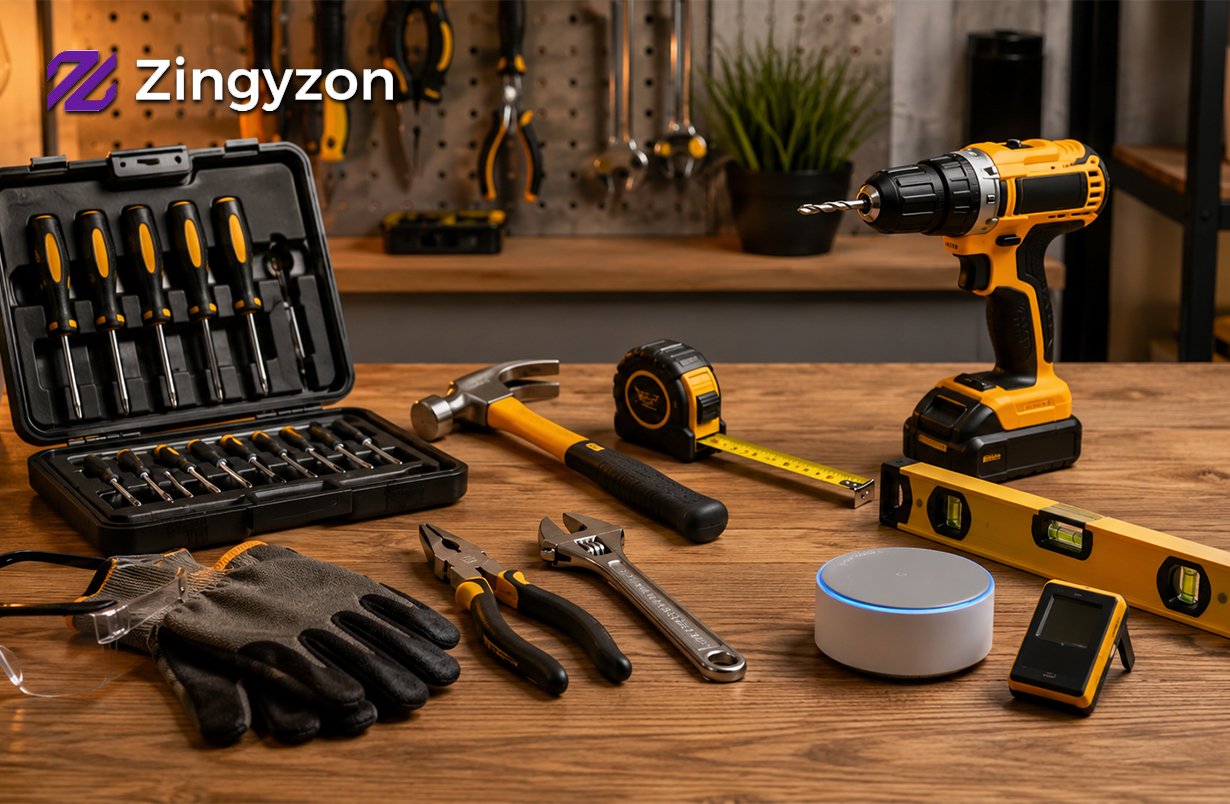
Some versions of Tool Guide Zardgadjets include tools for home repairs and DIY work. A basic home kit may contain a hammer, screwdriver set, pliers, measuring tape, level, utility knife, flashlight, and adjustable wrench. A drill can also be useful, but it requires care and the correct safety equipment.
Smart gadgets can include digital measuring tools, connected cameras, smart lights, and energy monitors. These devices may offer remote control and automatic reports. However, check whether the gadget still works without an app or internet connection. Also confirm how long the maker plans to provide software updates.
How to Compare Features, Cost, Compatibility, and Safety
Use the same comparison method for every tool. First, check whether it solves your main problem. Second, compare the total cost, including subscriptions, accessories, repairs, and replacement parts. Third, confirm compatibility with your phone, computer, battery system, file format, workspace, or power supply.
Safety is also part of value. For software, review permissions, backups, and account controls. For physical tools, read the manual, wear eye protection, and inspect cables, blades, and batteries. The cheapest option is not a good deal when it creates risk, breaks quickly, or lacks useful support.
Common Mistakes to Avoid When Selecting Tools
One common mistake is choosing a tool only because it is popular. A famous app may be too complex, and a powerful machine may be unnecessary for a small job. Another mistake is using many tools that do the same thing. This can spread files and messages across several places.
Users also forget renewal fees, learning time, and data export. A tool may look cheap at first but become costly later. Before paying, test a free plan, demo, rental, or borrowed tool when possible. Complete a real task during the test instead of trusting product ads alone.
How to Build and Maintain a Simple Everyday Toolkit
A useful Tool Guide Zardgadjets plan should lead to a small and balanced toolkit. Choose one main tool for each important need, such as tasks, files, communication, security, and basic repairs. Avoid collecting products without a clear purpose. Simple systems are easier to learn, maintain, and protect.
Review your toolkit every three to six months. Remove unused apps, cancel unwanted subscriptions, update software, test backups, and check physical tools for damage. Replace worn safety items and store equipment in a dry place. The best toolkit is the one that keeps helping you complete real tasks.
FAQs
Is Tool Guide Zardgadjets an official app?
There is no clear proof that it is one official app. It is mainly used as a broad term for guides about tools, software, and gadgets.
Who can use this guide?
Students, workers, homeowners, creators, families, and small business owners can use it to compare everyday tools.
Does the guide cover free tools?
Yes. Free tools may be useful, but users should check limits, privacy, advertisements, support, and export options.
What should I check before buying a tool?
Check its purpose, total cost, features, compatibility, safety, customer support, reviews, and maintenance needs.
How often should I review my toolkit?
Review it every three to six months. Remove unused tools, install updates, test backups, and inspect equipment for damage.
