

When GenBoostermark code refuses to run, it usually isn’t because of a single “big error.” In most real cases, the failure comes from a small mismatch in environment setup, dependency resolution, or execution context that quietly breaks the runtime before your code even gets a chance to execute. The tricky part is that these issues often don’t appear to be related to GenBoostermark itself—they look like Python, VS Code, or system problems.
The fastest way to think about it: if your code isn’t running at all, the problem is almost always outside your logic and inside your setup.
Missing dependencies breaking GenBoostermark
One of the most common failures happens before the script even starts executing: missing libraries. GenBoostermark projects typically rely on multiple external packages, and if even one is missing, Python stops execution immediately with an import error.
What’s often overlooked is that developers assume pip install automatically covers everything, but it only works if you are installing into the same environment your script uses. A common real-world scenario is installing dependencies globally while running the project in a virtual environment with no packages installed. This creates a silent disconnect where everything looks installed but nothing is actually available at runtime.
A practical check is to run the script using the exact interpreter path and then verify imports manually inside that environment. If imports fail within the interpreter, the issue is confirmed to be environment isolation, not code.
Wrong Python version blocking execution
GenBoostermark projects often rely on a specific Python version range, and this is more important than most developers expect. A script written for Python 3.8–3.10 can break unpredictably on Python 3.11+ due to dependency incompatibilities or the deprecation of modules.
What makes this harder is that version issues don’t always throw obvious errors. Instead, you might see cryptic runtime failures deep inside dependencies. That leads many developers to debug the wrong layer of the system.
A useful real-world approach is to stop assuming “latest Python is best.” In practice, many ML or automation-based tools still lag behind modern releases. If your project suddenly stops working after a Python upgrade, rolling back the interpreter is often faster than debugging every dependency conflict.
“Module not found” errors in GenBoostermark
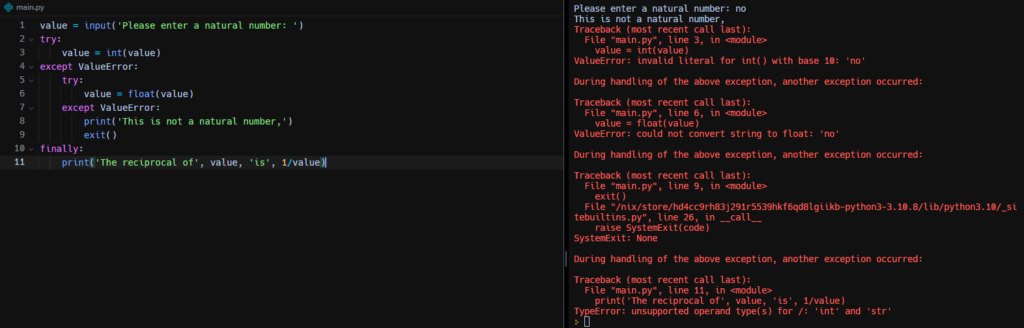
The “ModuleNotFoundError” is misleading because it rarely means the module is truly missing—it usually means Python is looking in the wrong place. This happens when multiple environments exist on the same machine, especially when switching between system Python, Anaconda, or VS Code interpreters.
A subtle but important detail: VS Code can silently switch interpreters based on workspace settings. So your terminal might show one Python version while the editor uses another. That mismatch alone can trigger module errors even when everything is installed correctly.
Instead of reinstalling packages blindly, it’s more reliable to first confirm which interpreter is actually running your script. Once that is consistent, most “missing module” issues disappear immediately.
Virtual environment setup issues
Virtual environments are supposed to isolate dependencies, but in practice they are one of the most common reasons GenBoostermark fails to run. The problem usually isn’t the environment itself—it’s activation inconsistency.
A typical failure pattern looks like this: the environment is created and packages are installed, but it is not activated before running the script. As a result, Python runs outside the isolated environment and cannot see installed dependencies.
Another overlooked issue is nested environments. Developers sometimes create multiple venv folders over time and accidentally activate an old one. This leads to confusing behavior where installations “work” but don’t affect the running project.
A reliable habit is to always verify the active interpreter path before executing any GenBoostermark command.
File path and directory mistakes
Path-related errors are especially common in GenBoostermark projects that rely on configuration files, datasets, or model assets. The issue is rarely the file itself—it’s the working directory.
When a script is executed from a different folder than expected, relative paths silently break. This is especially common when running code from VS Code, where the working directory may differ from the file location.
A practical example: a script referencing ./data/config.json works when run from the project root but fails when executed directly from a subfolder. The code hasn’t changed, but the execution context has.
This is why experienced developers often avoid relative paths for critical resources and instead resolve paths dynamically based on the script location.
VS Code vs terminal run issues
One of the most confusing problems occurs when code runs fine in the terminal but fails in VS Code or vice versa. This is almost always caused by interpreter mismatch or different environment variables between the two runtimes.
VS Code often uses workspace-specific Python interpreters, while the terminal relies on system defaults. This creates a split execution environment where dependencies and paths differ.
A subtle issue here is that VS Code may cache old interpreter settings even after installing a new environment. That leads to “ghost errors” where everything appears correct but execution still fails.
The most reliable fix is to explicitly set the interpreter in VS Code and verify it matches the terminal environment exactly.
Also Read: How to Improve Software HCS 411GITS
Permission denied errors in setup
Permission issues are less about GenBoostermark itself and more about operating system restrictions. These often appear when trying to write logs, access system directories, or install packages globally.
On Windows, running without administrator privileges can block certain installations. On Linux or macOS, restricted directories or ownership mismatches can cause similar failures.
A less obvious cause is antivirus or security software interfering with Python execution. This is rare but does happen in restricted environments, especially in enterprise systems.
Instead of repeatedly retrying commands, it’s better to identify what resource is being blocked—file access, execution, or installation.
Broken requirements.txt causing failure
A corrupted or outdated requirements.txt file can silently break GenBoostermark setup. The issue isn’t just missing dependencies—it’s version conflicts between packages.
In real-world projects, requirements files often evolve over time, but older versions of dependencies remain pinned. When those versions become incompatible with newer Python releases, installation may succeed but runtime fails.
Another overlooked issue is partial installs. If pip encounters a conflict mid-installation, it may skip packages without clearly warning you, leaving the environment in a broken state.
A clean reinstall in a fresh environment is often more effective than patching individual packages.
Syntax and indentation errors
Although GenBoostermark issues are usually environmental, syntax errors still account for a large number of “it won’t run” cases. Python is strict about indentation, and even minor inconsistencies can cause execution to stop completely.
What often gets missed is that these errors can come from copy-pasted code or from merged files that mix tabs and spaces. That creates invisible structure problems that editors don’t always highlight clearly.
A useful debugging mindset is to isolate the file and run it independently. If it fails, the issue is in the code itself; if it runs, the problem lies in how it’s being executed.
Checking if GenBoostermark is installed correctly
Before deep debugging, it’s worth confirming whether GenBoostermark is properly installed in the active environment. Many users asking why can’t i run my genboostermark code discover that the package is only partially installed or not accessible from the current interpreter.
A clean check is importing the module directly in the Python shell rather than running the full project. If that fails, installation or environment setup is incomplete.
In more complex setups, especially with editable installs or local packages, Python may not recognize GenBoostermark unless it is properly registered in the environment path. This is often missed in quick setups.
The key idea is simple: if the import doesn’t work in isolation, nothing else in the project will work either.
Read More Tech Articles on: Zingyzon.com
FAQs
Why does my GenBoostermark code run in terminal but not VS Code?
This usually happens because different Python interpreters are being used. VS Code may point to a virtual environment while the terminal uses system Python.
Why can’t i run my genboostermark code even after installing dependencies?
Because dependencies may be installed in a different Python environment than the one running your script.
How do I fix “Module not found” in GenBoostermark?
Check if you installed dependencies in the correct environment. Reinstalling packages in the active interpreter usually resolves it.
Does Python version affect GenBoostermark execution?
Yes. Some dependencies break on newer Python versions, so using a supported version (often 3.8–3.10) is critical.
What is the fastest way to debug GenBoostermark not running?
Start by checking the interpreter path, active virtual environment, and missing dependencies before inspecting the code itself.
