

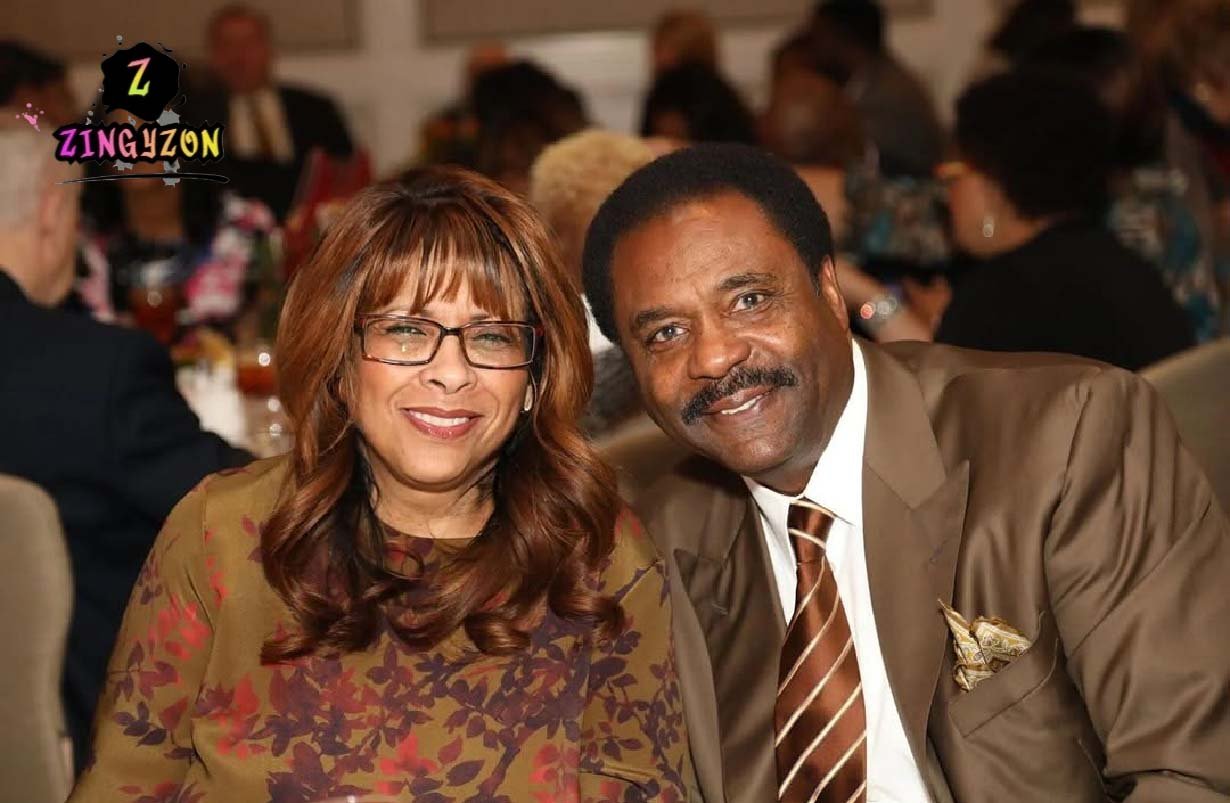
Most people associate philanthropy with a CEO with a huge bank account making a huge donation. However, this doesn’t begin with wealth it begins with perspective, as seen in Thelma Steward‘s story. She didn’t simply transition from nursing to giving. Her journey is a mosaic of experience, observation and choices, all driven by years of work at the edge of human vulnerability. And perhaps this is why her impact is unlike what we see in the typical “headline philanthropy.” Softer and yet deeper.
Nursing: More Than a Career, a Lens on Life
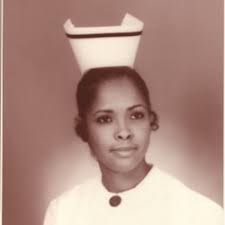
Before her philanthropic work, Thelma Steward was a registered nurse in newborn and premature nurseries in St. Louis. Nursing is often taken for granted as simply a matter of procedures, checking vitals, giving meds, and repeating. A limited perspective. Steward learned more than just medicine. She was able to pick up on the little clues; when a parent’s anxiety might impact an infant, when a small change in routine might prevent complications. Empathy was something she learned when it was needed.
Those abilities, ironically, directly transferred to her philanthropy. The majority of donors believe that money is the answer to the issues. It doesn’t, as evidenced by Steward’s approach. People, patterns and knowing when to step in strategically is her real currency. She was quietly testing solutions and measuring impact, even before the foundation came into existence, she was practicing a type of social triage, finding gaps.
Small, Targeted Moves Over Flashy Donations
Thelma and her husband, David Steward, began the Steward Family Foundation with a firm plan: don’t spread the money around! Train where you can make concrete, long-term impact. In philanthropy, there’s an allure in chasing the big name, funding projects with press coverage or supporting trendy causes. Steward’s method is quite a different approach.
For example, the Thelma Steward Future Nurse of Excellence Scholarship. In fact, it’s a nursing scholarship. Dig a little deeper — it’s not only about paying tuition. Recipients receive mentoring, guidance and networking opportunities. Many scholarships end at the check, this one goes the extra mile with regard to the person’s long term trajectory. In “Money doesn’t make for success,” Steward’s wisdom is basic but rarely applied: Money doesn’t build success. It’s no less important to have structure, accountability and human connection.
Arts Education Deserves More Attention
Here’s a twist people rarely expect from someone so focused on healthcare: Steward has given considerable time and effort to Jazz and Arts Education. On the surface, it doesn’t seem to have anything to do with it. However, there is a “how” to this selection. Arts education fosters creativity, discipline and collaboration, which carry over into all aspects of work and life.
Suppose you had a teenager who was learning to improvise over a jazz tune. These are not just rehearsal notes; they are learning signals for anticipation, adaptation and non-verbal communication. Steward knew that this type of training was creating leaders. It’s a reminder that philanthropy can be more than just a practical exercise. In some cases, the human resources that are difficult to measure constitute the best long-term asset.
Observing Before Acting
Another of Steward’s subtle lessons seems to be, observe before acting. She was not the one who started the foundation or funded every program she liked. She visited hospitals, met scholarship candidates, and attended arts programs. She listened. She took notes. And then she acted.
This matters. People often think that if they’re generous, that’s sufficient. Steward’s research indicates that the actual experience of the program’s real-world mechanics is what makes the difference between good intentions and real results. Most donors skip this level of detail. But small changes, based on firsthand observation, can have a more significant effect than doubling a check can.
Also Read About: Pamela Hilburger
Breaking the Myth of Public Legacy
When it comes to philanthropy, there are lots of seekers of recognition – names on buildings, press coverage, awards. But it appears Steward doesn’t much care about it. Sure, the Steward Family Foundation is a familiar name, but Thelma’s impact is often subtle, like a student flourishing in a scholarship program, a jazz student finding a voice, or a hospital program made more efficient by her insights.
Legacy is more than visibility. It’s about ripples, how one good decision can have a ripple effect that continues to affect people years later. In Thelma Steward’s quiet way, she challenges the notion that big public gestures are the only measure of success. There are times when it is more important to have a team of people working behind the scenes.
Emotional Intelligence as a Strategic Toolategic Tool
In philanthropy, there is a topic that is seldom talked about: Emotional Intelligence. The practice of nursing let Stewart gain an almost innate understanding of human nature. She was able to read people’s body language, feel the tension, and predict responses to initiatives. That gives her the means to make programs successful not only on paper but in reality as well.
Think of it like this: two scholarships with the same money, but only one takes into account the mentee’s emotional and social needs. The retention rate, performance and engagement levels of Steward’s recipients always outperform expectations. It’s not by chance, it’s by design and human insight.
Rethinking What It Means to Give Back
In many guides to philanthropy, “giving back” is a checkbox: give, volunteer, give, volunteer. Steward’s example complicates that story. In her world giving back is an iterative process. This is a process of trial and error, personal involvement and learning from both the successes and failures. It’s messy. It’s human. And it’s messiness, which is what makes it effective.
There is an element of humility, too. Steward invests in successful programs and supports them in responsibly scaling. She doesn’t attempt to “break the mold”. For anyone considering contributing, that’s a practical lesson: sometimes the best way to contribute is to amplify what is already working.
Lessons Worth Borrowing
If you want to do some of the things that Thelma Steward has done, here are some ideas:
- Start small, start informed. Learning is as important as funds.
- Connect with the impacted population. The imbalances that can only be uncovered by meeting the recipients or program leaders.
- Think long-term. Although short-term aid can help, real impact is achieved through sustainability.
- Value soft skills. But there are things that money can’t buy: Arts, mentorship and human connection.
- Iterate constantly. Assess and adapt programs as they are learned. Do not take the first plan for granted.
Read More Article on: Zingyzon.com
FAQs
How did Thelma Steward’s nursing career shape her philanthropy?
It gave her a front-row view of human vulnerability, training her to observe, analyze, and intervene strategically.
Are her scholarships different from typical ones?
Yes—they combine tuition support with mentorship and access to professional networks, creating long-term impact.
Why does she fund jazz and arts education?
These programs develop creativity, collaboration, and discipline—skills that translate across careers and life challenges.
Can someone without a large fortune follow her model?
Absolutely. Her approach emphasizes engagement, insight, and small but strategic contributions—not just money.
