

Hair loss often catches you by surprise. One day, you’re brushing your hair without a second thought, and the next, your sink is filled with strands. While it’s normal to shed some hair daily, noticing thinning over time can be stressful and concerning.
When it comes to addressing hair loss, there are generally two approaches: non-surgical treatments like PRP therapy and surgical solutions like hair transplants. Both are effective, but they work in very different ways. Understanding their differences can help you choose the best option for your situation.
What Is PRP Therapy?
PRP stands for Platelet-Rich Plasma, a treatment that harnesses your body’s own healing power.
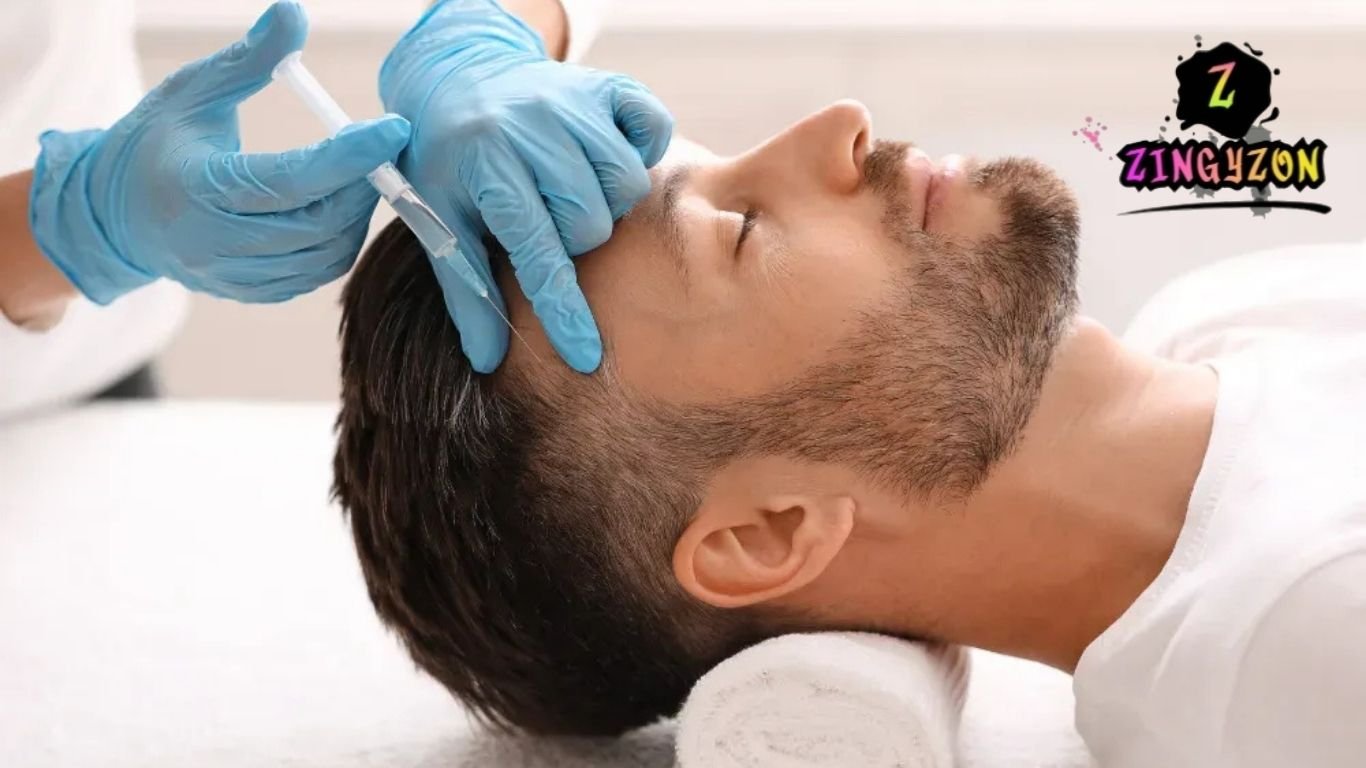
During PRP therapy, a trained medical professional draws a small sample of your blood. This blood is then processed in a centrifuge to isolate platelets, which are packed with growth factors. The resulting plasma is injected into areas of your scalp experiencing hair thinning. These growth factors stimulate hair follicles, promoting stronger, healthier hair regrowth. PRP therapy is a clinically proven, minimally invasive treatment for early-stage hair loss.
What Is a Hair Transplant?
A hair transplant is a surgical procedure that moves hair follicles from one part of the scalp (usually the back or sides) to areas where hair has thinned or is missing.
There are several techniques, including FUE (Follicular Unit Extraction) and FUT (Follicular Unit Transplantation), but the goal is the same: redistribute healthy hair for a fuller, more even look. Hair transplants are considered a permanent solution to hair loss.
PRP Therapy vs. Hair Transplant: Key Differences
Invasiveness and Downtime
PRP Therapy: Non-surgical and minimally invasive. Mild discomfort may occur during injections, but there’s no downtime, and you can resume daily activities immediately.
Hair Transplant: A surgical procedure with a recovery time. Swelling, soreness, and scabbing are common, and it may take days to weeks to fully heal.
Results Timeline
PRP Therapy: Requires multiple sessions over several months. Results develop gradually, and maintenance sessions are often needed to sustain growth.
Hair Transplant: Offers faster visible results. While transplanted hair may shed initially, regrowth usually begins within 3 to 4 months after the procedure.
Best Candidates
PRP Therapy: Ideal for individuals in the early stages of hair loss, with thinning but still active hair follicles.
Hair Transplant: Recommended for people with bald patches or inactive hair follicles, where PRP alone may not be effective.
Cost and Maintenance
PRP Therapy: Lower cost per session but may require ongoing treatments.
Hair Transplant: Higher upfront cost, but typically a one-time procedure that delivers long-lasting results.
Risks and Side Effects
PRP Therapy: Generally safe since it uses your own blood. Mild redness or swelling may occur at injection sites.
Hair Transplant: Surgical risks include infection, scarring, and rare graft rejection. Experienced surgeons minimize these risks significantly.
Should I get PRP or Hair Transplant
Deciding between PRP therapy and a hair transplant depends largely on the stage of your hair loss, your goals, and your budget. PRP is a non-surgical treatment that works best for early thinning, stimulating existing hair follicles to grow stronger and healthier over time. Hair transplants, on the other hand, are a surgical solution ideal for more advanced hair loss or bald patches, providing permanent results by relocating healthy follicles to areas of thinning. Consulting with a qualified hair restoration specialist can help determine which option will deliver the most effective and natural-looking outcome for your individual needs.
Frequently Asked Questions
Can PRP replace a hair transplant?
PRP is effective for early hair thinning but cannot replace a transplant for complete bald areas.
Is a hair transplant painful?
Discomfort is minimal due to local anesthesia. Mild soreness or swelling may occur post-surgery.
How long does PRP take to show results?
Most patients see noticeable improvements after 3 to 6 months, depending on the number of sessions.
How long do hair transplant results last?
Hair transplants are generally permanent if performed by an experienced surgeon.
Are there any side effects of PRP therapy?
Side effects are usually mild, including redness, swelling, or minor discomfort at injection sites.
Can both treatments be combined?
Yes. Some patients use PRP after a hair transplant to improve healing and enhance hair growth.
Conclusion
Both PRP therapy and hair transplants offer effective solutions for hair loss, but choosing the right treatment depends on your hair loss stage, goals, and budget. PRP therapy is a non-surgical option that strengthens existing hair, stimulates growth, and is most effective for early thinning. In contrast, hair transplants provide a permanent solution for advanced hair loss or bald patches by redistributing healthy follicles to thinning areas. Consulting with a qualified hair restoration specialist is essential to determine which approach will deliver the most natural, long-lasting results for your individual needs. Ultimately, understanding the benefits, risks, and maintenance requirements of each treatment can help you make an informed decision and restore not just your hair, but also your confidence.
