

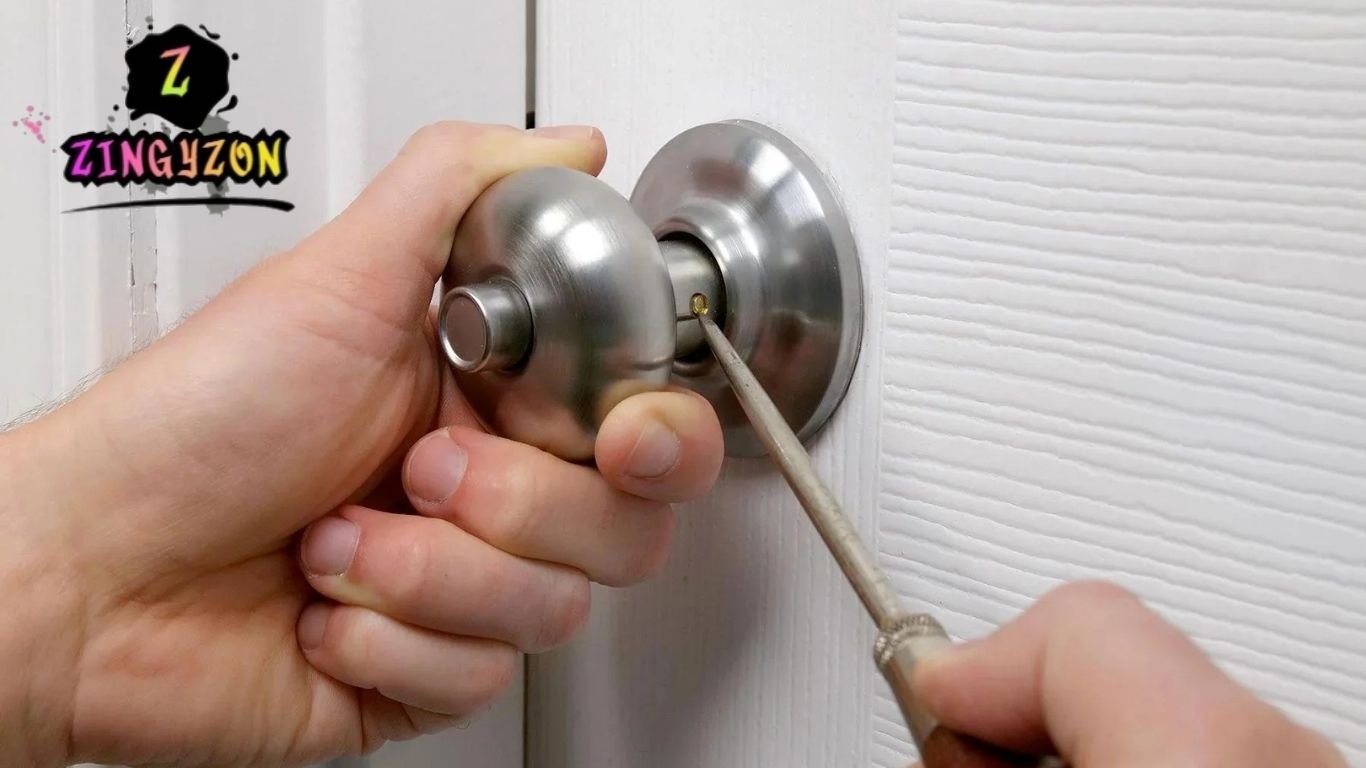
A door handle that fails to spring back into place is more than just an inconvenience it can make a door look neglected and feel unreliable. Whether the handle is sagging, stiff, or completely loose, the issue usually stems from the internal spring or latch mechanism. The good news is that this is a common problem and, in most cases, one you can fix yourself without calling a professional. Below is a clear, step-by-step guide to diagnosing and repairing a faulty door handle spring.
A malfunctioning door handle is more than a minor annoyance it’s something you deal with every single day. Whether the handle feels loose, sticks when you turn it, or has stopped working altogether, learning how to fix it yourself can save both time and money. In this guide, we’ll take you step by step through the repair process and explain why Modolur1’s Door Handle is a smart upgrade for durability, reliability, and long-term performance.
What Is a Door Handle Spring?
A door handle spring is a mechanical component housed inside the handle or latch mechanism. Its primary job is to provide tension that pulls the handle back to a horizontal resting position after it has been pressed or turned.
Without a functioning spring:
- The handle may droop downward
- The latch may not retract properly
- The door may not close securely
Door Handle Doesn’t Return to Position
Understanding the cause makes the repair much easier. The most common reasons include:
- Overtightened screws that restrict the handle’s movement
- Insufficient lubrication, causing friction inside the spring mechanism
- Poor alignment, which places stress on the spindle
- A faulty or misfitted latch that doesn’t retract smoothly
- A worn or weakened spring, often found in low-quality or older handles
Step 1: Loosen the Fixing Screws
If the handle feels stiff or refuses to return properly, overtightened screws may be the culprit. Using a screwdriver, slightly loosen the fixing screws on both sides of the handle. Test the movement if the handle now springs back smoothly, the issue is resolved.
Step 2: Lubricate the Spring Mechanism
A dry or dusty spring can prevent smooth operation.
- Remove the handle from the door.
- Hold the backplate and operate the lever to assess its movement.
- Apply a small amount of multipurpose lubricant or light grease to the spring area.
- Move the handle several times to distribute the lubricant evenly.
- Refit the handle and test it.
Step 3: Check and Correct Handle Alignment
If the handle feels uneven or loose, alignment may be the problem. The spindle the square bar connecting both handles should pass straight through the latch.
- Remove the handles if necessary and realign them.
- Ensure the handle sits level before tightening the screws.
- Proper alignment allows the spring to work without unnecessary resistance.
Step 4: Inspect the Latch Mechanism
If the handle still doesn’t spring back, remove it and test the latch directly. Press the latch tongue in and release it it should return smoothly and quickly.
If it doesn’t, the latch may be installed incorrectly or tightened too firmly inside the door. Refit it so it sits straight, or replace it if the mechanism feels weak or worn.
Step 5: Replace a Weak or Broken Spring
If none of the above steps solve the problem, the internal spring may have lost tension or broken completely. At this stage, replacing the spring or the entire handle set is the most reliable solution. Opt for high-quality hardware, especially for heavy or solid metal handles, to ensure long-term durability.
Preventing Future Door Handle Issues
To keep your door handles working smoothly:
- Avoid overtightening screws during installation.
- Lubricate moving parts once or twice a year.
- Use hardware appropriate for the door’s weight and usage.
- Recheck alignment after repainting or prolonged heavy use.
Frequently Asked Questions
What is a door handle spring and what does it do?
A door handle spring is the internal mechanism that returns the handle to its original position after use. It ensures smooth operation and proper latch engagement.
Why does my door handle not spring back?
A door handle may not spring back due to a worn spring, lack of lubrication, overtightened screws, misaligned handles, or a faulty latch mechanism.
Can a door handle spring be repaired?
Yes, minor issues can often be fixed by loosening fixings, lubricating the spring mechanism, or correcting handle alignment. Severely worn springs usually require replacement.
When should I replace a door handle spring?
You should replace the spring if the handle continues to droop, feels loose, or doesn’t return to position after lubrication and adjustment.
Is the door handle spring in the handle or the latch?
A door handle spring can be built into the handle, the latch, or both. Modern handles often rely on a dual-spring system for better durability.
How can I prevent door handle spring problems?
Prevent issues by avoiding overtightening screws, lubricating moving parts annually, using quality hardware, and ensuring correct handle alignment.
Conclusion
The door handle spring may be a small and often overlooked component, but it plays a crucial role in the smooth operation, appearance, and reliability of a door. A properly functioning spring ensures that the handle returns to its original position, the latch engages correctly, and the door feels solid with every use. When the spring begins to fail, it can lead to drooping handles, stiff movement, and unnecessary daily frustration.
By understanding how a door handle spring works, recognizing early signs of wear, and performing regular maintenance, many common issues can be prevented or easily repaired. When replacement is necessary, choosing high-quality hardware with durable spring mechanisms is a smart investment that improves performance and extends the life of your door fittings. In the long run, a reliable door handle spring contributes to better functionality, improved security, and a more polished look throughout your home or workspace.
