

Not long ago, the term “gaming server” evoked images of basement LAN parties, tangled Ethernet cables, and friends shouting callouts over glowing CRT monitors in Counter-Strike 1.6. Fast forward to 2025, and gaming servers have become the backbone of online multiplayer gaming powering everything from sprawling virtual reality worlds to intimate, modded survival experiences like Project Zomboid.
Let’s explore how gaming server popularity has changed over the years, how technology and culture have shaped them, and the role they continue to play in the gaming industry. Whether you’re a veteran LAN warrior or a Fortnite Creative enthusiast, the evolution of servers is a story worth knowing.
What Is a Gaming Server?
A gaming server is a system either physical or cloud-based that hosts multiplayer game sessions. It manages player connections, game logic, data synchronization, and real-time interactions.
Servers can be:
- Dedicated servers – Hosted on powerful machines for stability and performance
- Peer-to-peer servers – Hosted by players themselves
- Cloud servers – Scalable and hosted on platforms like AWS or Azure
Modern servers are designed to ensure low latency, high uptime, and seamless gameplay experiences, making them essential for today’s online gaming landscape.
History of Gaming Servers
Before gaming became a multi-billion-dollar industry, it was a scrappier, more localized hobby.
In the late ’90s and early 2000s, most multiplayer experiences were confined to LAN parties. Gamers would haul full tower PCs, hope for extra power strips, and deal with network lag if a friend’s ping spiked. Online play was limited, and the concept of a dedicated server was still emerging.
Community-run servers began to take root as players hosted their own games Battlefield 1942, Unreal Tournament, and Counter-Strike each server developing unique rules, culture, and regulars. These early digital hangouts laid the foundation for the robust community servers we know today.
The Rise of Modding Communities
Modding transformed gaming servers. Garry’s Mod, initially a sandbox mod for Half-Life 2, became a full-fledged creative platform. Mods allowed communities to expand gameplay far beyond the base game, setting the stage for today’s thriving user-driven server ecosystems.
The Evolution from 2010 to 2020
The 2010s were transformative for both gaming and server technology.
Building the Infrastructure
Advances in cloud computing, stronger CPUs and GPUs, and faster internet made running game servers more accessible and reliable. Hosting companies like Nitrado, Apex, and HostHorde offered plug-and-play solutions with control panels, mods, and automatic backups.
No longer did running a Minecraft or ARK: Survival Evolved server require technical expertise players could now host, customize, and invite friends or global communities effortlessly.
Games That Shaped Server Culture
Several blockbuster titles defined server culture in this decade:
- Minecraft: Revolutionized user-generated content and server economies with paid ranks, mini-games, and custom job systems.
- GTA Online: Introduced RP servers where players could role-play as cops, criminals, or even Uber drivers.
- Fortnite Creative Mode: Allowed users to create mini-games and personalized experiences.
- Roblox: A platform almost entirely built around community-driven servers, many generating millions in revenue.
- League of Legends: Its global servers support competitive and casual play, tournaments, and ranked ladders.
The Pandemic Surge (2020–2022)
COVID-19 dramatically accelerated gaming server growth. Lockdowns pushed social interactions online, turning games like Among Us, Valorant, and Rust into social lifelines.
Multiplayer server traffic rose over 70% during the pandemic.
Discord gaming servers reached 150 million monthly active users by the end of 2021.
Gaming servers evolved from technological necessities to digital social spaces venues for friendship, organized events, and even virtual weddings.
Top Gaming Servers in 2026
- OVHcloud – High-performance servers with AMD Ryzen/EPYC CPUs, SSD NVMe storage, Anti-DDoS protection, and 1Gbps bandwidth. Ideal for large-scale multiplayer and streaming.
- HostHavoc – Supports ARK, Rust, and Minecraft with instant setup, mod support, and reliable customer service.
- 4Netplayers – European hosting with mod support and low latency for ARK and Minecraft players.
- GTXGaming – Top-tier servers for demanding titles, focusing on performance and customer support.
- Apex Hosting – User-friendly Minecraft and ARK servers with mod support and easy-to-use control panels.
How Servers Impact the Gaming Industry
Enhancing Gameplay
Modern servers provide low-latency networking, predictive tick algorithms, load balancing, and failover support, ensuring smoother gameplay and fewer disconnects.
New Revenue Streams
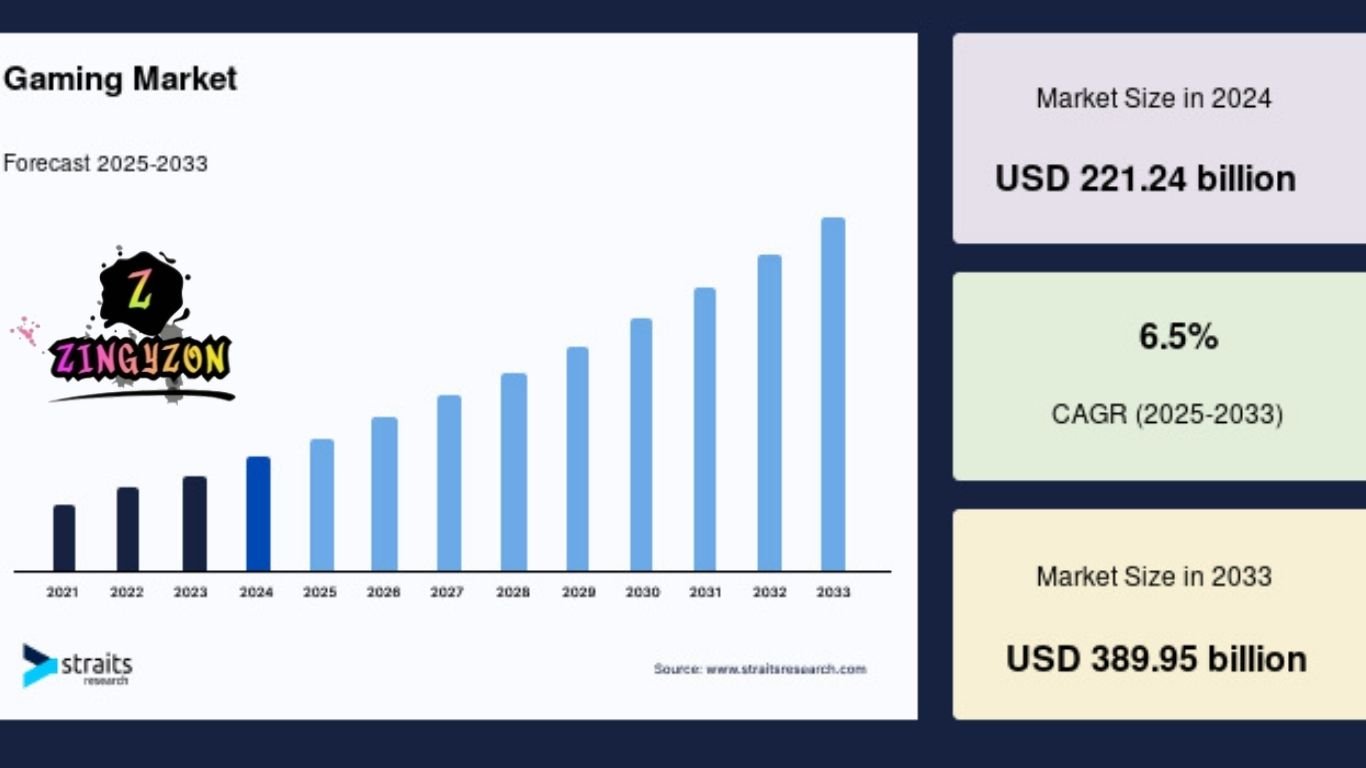
Servers are now profitable ecosystems. Players can pay for premium features, cosmetics, or server memberships, while studios monetize server slots, events, and private servers. The global gaming server market is expected to exceed $10 billion by 2027.
The Future of Gaming Servers
Cloud-Native Gaming
Platforms like Amazon Luna, Microsoft Azure PlayFab, and NVIDIA GeForce NOW enable instant server deployment and scalable virtual worlds.
Virtual Reality Multiplayer
As VR grows, low-latency, dynamic servers will power massive shared spaces in games like VRChat, Rec Room, and Horizon Worlds.
AI-Driven Server Management
Artificial intelligence will optimize server traffic, detect cheats, and predict player preferences allowing servers to auto-scale, self-moderate, and adapt to community trends.
Cloud Gaming and the Next Generation of Servers
Cloud technology is transforming gaming servers into on-demand services.
Key Advantages:
- Instant server deployment
- No hardware requirements
- Global accessibility
Frequently Asked Questions
What is a gaming server?
A gaming server is a system that hosts multiplayer games, allowing players to connect, interact, and play together in real time with stable performance and low latency.
Why have gaming servers become so popular?
Gaming servers have grown in popularity due to faster internet, cloud technology, and the rise of online multiplayer games that require reliable and scalable infrastructure.
How did gaming servers start?
Gaming servers began with LAN parties in the 1990s, where players connected locally. Later, community-hosted online servers expanded multiplayer gaming globally.
What role did the pandemic play in gaming server growth?
The COVID-19 pandemic significantly boosted gaming server usage as people turned to online games for entertainment and social interaction during lockdowns.
Which games contributed most to server popularity?
Popular games like Minecraft, Fortnite, Roblox, and GTA Online played a major role by offering customizable multiplayer experiences and community-driven servers.
What is the future of gaming servers?
The future of gaming servers includes cloud gaming, AI-driven management, and virtual reality environments, making servers more scalable, intelligent, and immersive.
Conclusion
The journey of gaming servers from simple LAN setups to global cloud-powered ecosystems reflects the transformation of the gaming industry itself.
Today, servers are more than just technical tools; they are the foundation of multiplayer gaming, social interaction, and digital economies. As technology continues to advance, gaming servers will remain at the core of innovation, shaping how we play, connect, and experience virtual worlds.
