

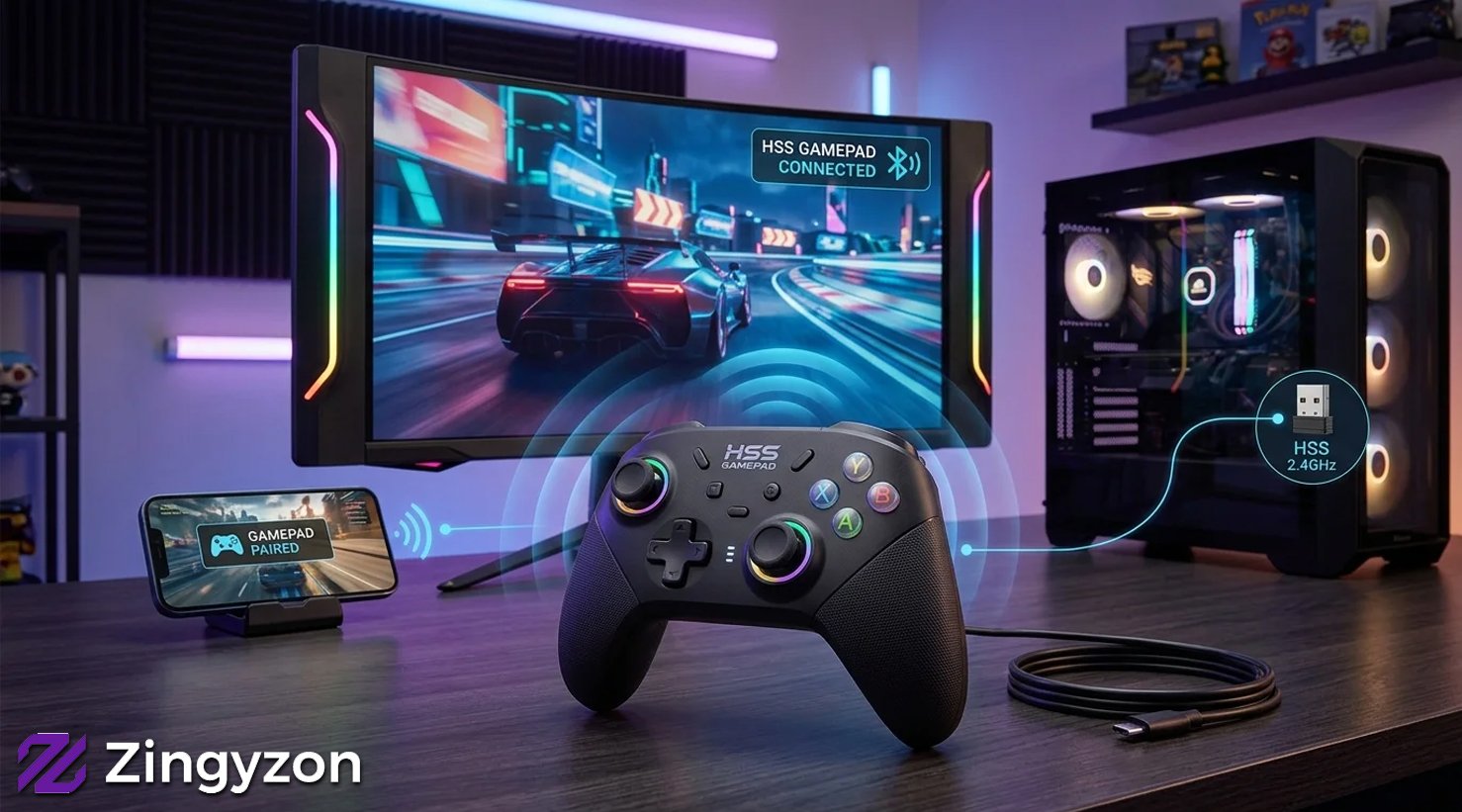
Gaming is more enjoyable when your controller connects quickly and works without delays. Connectivity HSSGamepad gives players different ways to connect, including Bluetooth, USB cable, and, on some models, a 2.4GHz wireless receiver. Whether you play on a Windows PC, Android phone, or Smart TV, knowing the correct setup steps can save time and improve your gaming experience. This guide explains everything in simple language, from pairing your controller to fixing common connection problems.
What Is Connectivity HSSGamepad and How Does It Work?
Connectivity HSSGamepad refers to the connection features that allow an HSSGamepad controller to communicate with different devices. Instead of using only one connection method, many models support multiple options for greater flexibility. This makes it easier to switch between gaming platforms without buying another controller.
The most common connection methods are Bluetooth, USB wired mode, and 2.4GHz wireless. Bluetooth offers wireless freedom, USB provides the most stable connection, and the 2.4GHz receiver often delivers lower latency than standard Bluetooth. The available options depend on the controller model you own.
Devices Compatible with Connectivity HSSGamepad
One of the biggest advantages is its support for several devices. Most models work with Windows 10 and Windows 11, Android smartphones and tablets, and many Smart TVs. Some versions may also support selected gaming consoles, depending on the hardware and firmware.
Many players also use the controller with gaming platforms such as Steam and popular emulators. However, compatibility can vary between games. Before buying, it is always a good idea to check the controller specifications and your device requirements.
How to Pair and Connect the HSSGamepad Using Bluetooth
Connecting your controller through Bluetooth is usually simple. First, fully charge the controller to avoid pairing problems. Turn on Bluetooth on your device, then press the controller’s pairing button until the LED light starts flashing. Open your device’s Bluetooth settings, select the controller, and confirm the connection.
If the controller does not appear in the device list, restart Bluetooth, remove any old paired devices, and try again. Keeping the controller close to your device during the initial setup also increases the likelihood of a successful connection.
How to Connect HSSGamepad with a USB Cable or 2.4GHz Dongle
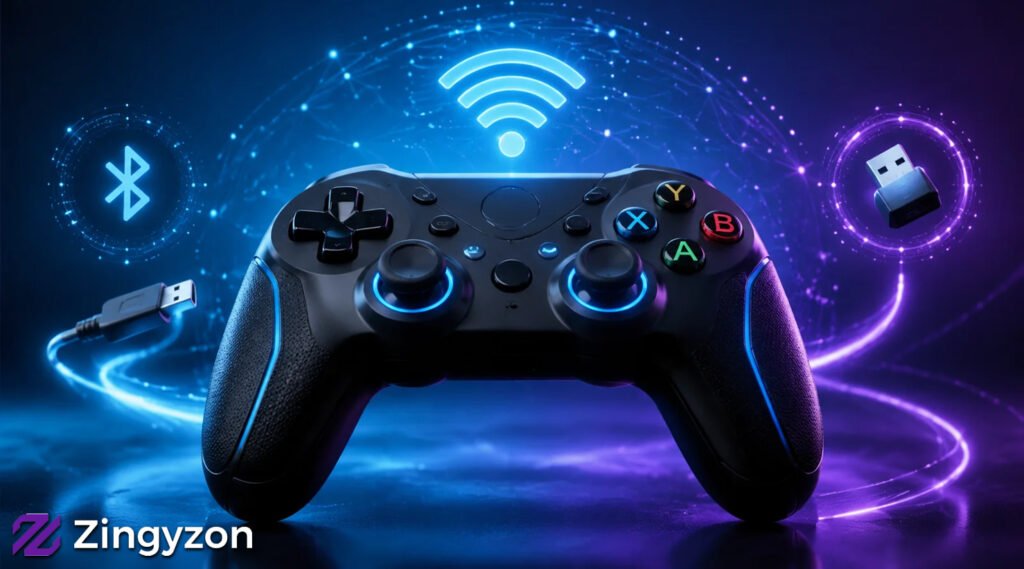
If you prefer the most stable connection, use a USB cable. Simply connect the controller to your computer, and most modern operating systems will install the required drivers automatically. This method reduces input delay and does not rely on battery power while you play.
Some HSSGamepad models include a 2.4GHz wireless receiver. Plug the receiver into a USB port, turn on the controller, and wait for automatic pairing. This option gives you wireless freedom while offering faster response times than many Bluetooth connections.
Common Connectivity HSSGamepad Problems and How to Fix Them
Like any wireless device, Connectivity HSSGamepad can sometimes experience pairing or connection issues. Common problems include the controller not appearing in Bluetooth settings, random disconnects, delayed button responses, or the device not being recognized by the operating system.
Most issues can be solved by charging the battery, restarting the controller, updating Bluetooth drivers, removing old pairings, or reconnecting the USB cable. If available, installing the latest controller firmware may also improve stability and compatibility.
Tips to Improve Connection Stability and Reduce Input Lag
A strong connection creates a smoother gaming experience. Keep the controller charged and stay within the recommended wireless range. Avoid placing the controller near devices that create wireless interference, such as routers or several active Bluetooth devices.
For competitive games, a USB connection usually delivers the fastest response. If you want wireless gaming with lower latency, a 2.4GHz receiver is often a better choice than standard Bluetooth. Updating drivers and restarting your device from time to time can also improve overall performance.
Bluetooth vs. USB vs. 2.4 GHz: Which Connection Method Is Best?
Each connection method has its own strengths. Bluetooth is ideal for players who value convenience and portability. It works well for casual gaming and does not require extra cables.
A USB connection is the best option for competitive players because it provides the lowest latency and the most reliable signal. A 2.4GHz wireless connection offers a good balance between speed and wireless freedom, making it an excellent choice for many PC gamers.
In Short
Learning how to set up Connectivity HSSGamepad correctly helps you avoid connection issues and enjoy smoother gameplay. Whether you choose Bluetooth, USB, or a 2.4GHz wireless receiver, selecting the right method depends on your gaming style and the devices you use.
By following the pairing steps, keeping your controller updated, and using the troubleshooting tips in this guide, you can enjoy a reliable connection and better performance across supported platforms.
FAQs
How do I pair HSSGamepad with Bluetooth?
Turn on Bluetooth, activate pairing mode on the controller, and select it from your device’s Bluetooth menu.
Does HSSGamepad work with Windows PCs?
Yes. Most models support Windows 10 and Windows 11 through Bluetooth or a USB connection.
Which connection method has the lowest input lag?
A USB wired connection usually provides the fastest and most stable response.
Why does my HSSGamepad keep disconnecting?
Low battery, wireless interference, outdated drivers, or being out of range are common causes.
Can I use HSSGamepad with an Android phone?
Yes. Most Android devices support Bluetooth pairing with compatible HSSGamepad models.
