

An UndergrowthGames contributor is usually described as someone who writes gaming content, helps test indie games, or supports online gaming communities. That definition is technically correct, but it skips over the part that actually matters.
The interesting thing about contributor-driven gaming spaces is that the people adding the most value are rarely the loudest or the most polished. In a lot of cases, they’re just players who pay close attention. They notice weird balancing issues before everyone else does. They write guides that feel useful instead of being optimized for clicks. Sometimes they become the unofficial memory of a community without even planning to.
That’s probably the better way to understand the UndergrowthGames contributor model. Less like a formal role, more like a mix of creator, observer, tester, and community participant all happening at once.
And honestly, the role has changed quite a bit over the last few years.
Back then, gaming contributors mostly focused on publishing content. Reviews, walkthroughs, maybe some strategy posts. Now the lines are blurry. Someone might write a beginner guide one week, organize a community event the next, then spend hours helping developers track down progression problems in an early build after that. It’s messy in a way that traditional gaming websites never really were.
That messiness is part of why smaller gaming communities still feel alive.
The Weird Advantage Smaller Contributors Have
One thing people rarely admit is that huge gaming creators often miss details smaller contributors catch immediately.
Big creators are usually moving too fast. They need quick opinions, dramatic reactions, constant uploads. Their attention is split between algorithms, engagement, sponsors, trends — all the usual internet stuff.
Smaller contributors tend to operate differently.
They’ll spend three days experimenting with a broken stamina mechanic nobody else cares about. Or they’ll write a detailed explanation for why a game “feels tiring” after two hours even though the gameplay itself is technically good.
That second type of insight matters more than people think.
A few years ago, there was a survival game community where players kept quitting around the same progression point. The developers assumed the crafting grind was the issue. It turned out the actual problem was subtler: inventory management created low-level mental fatigue over long sessions. Players didn’t consciously notice it, but contributors did. Once the interface was simplified, retention improved.
That kind of contribution never shows up in flashy contributor descriptions, but it’s often the stuff that genuinely helps games improve.
Also Read: Why Many Users Still Prefer the Valan Slap845 Old Version in 2026
Most “Contributor Advice” Online Feels Slightly Fake
A lot of articles about becoming a gaming contributor sound almost corporate now.
They tell people to:
- Build a personal brand,
- Post daily,
- Maximize engagement,
- Optimize visibility,
- Network aggressively.
Some of that advice works. Some of it doesn’t.
In smaller indie ecosystems, trust still matters more than reach. A contributor with a tiny audience but consistently thoughtful feedback can become surprisingly influential inside a community. Developers remember people who give useful criticism without trying to sound smarter than everyone else.
That’s harder than it sounds, by the way.
There’s a weird habit in gaming spaces where contributors try too hard to perform expertise. You’ll see overly polished reviews full of technical jargon that somehow say almost nothing real. Then a random forum user writes:
“The combat gets repetitive once enemies stop forcing movement.”
Short sentence. But instantly useful.
Communities usually respond better to that type of honesty.
Writing Skill Helps, But Observation Skill Matters More
People assume contributors succeed because they’re good writers. Sometimes they are. But writing alone isn’t enough anymore because gaming content is flooded with repetition.
You can only read:
- “Top 10 Beginner Tips”
or - “Best Weapons Ranked”
So many times before everything blends together.
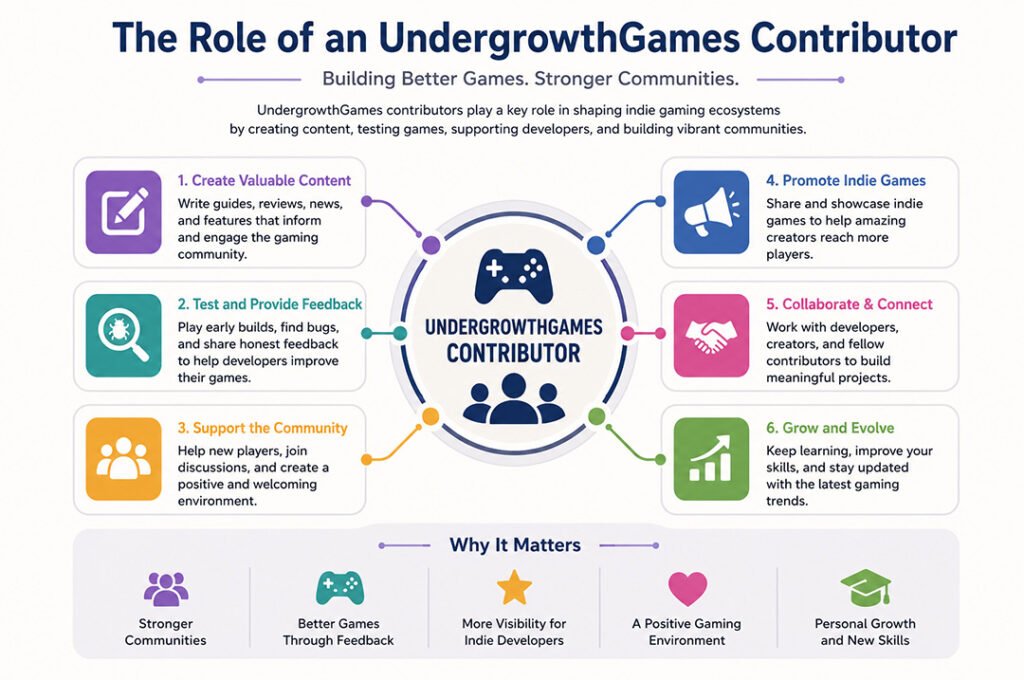
The contributors who stand out now are usually the ones noticing patterns other people overlook.
Maybe they realize:
- players are avoiding a certain mechanic without talking about it openly,
- Co-op games are becoming more socially exhausting than competitive games,
- Indie horror games rely too heavily on atmosphere while forgetting pacing.
That kind of analysis feels more human because it comes from experience instead of templates.
And honestly, readers can tell the difference immediately.
Community Management Quietly Became One of the Most Valuable Skills
This part gets ignored constantly.
People think gaming contributors mainly create content, but communities in 2026 are fragmented everywhere. Discord servers, Reddit threads, livestream chats, small private groups — conversations are scattered across platforms now.
That means contributors who can hold communities together are incredibly valuable.
Not moderators in the strict sense. More like people who know how to keep conversations productive without sucking all the energy out of them.
There’s an art to it.
Good contributors know when:
- Debates are becoming toxic,
- Frustration is turning into burnout,
- Or a community is starting to repeat negativity until it becomes the culture itself.
That sounds dramatic, but it happens all the time in gaming spaces.
One bad update can shift an entire community atmosphere within days. Contributors often become the middle layer between developers and players, translating complaints into something useful instead of emotional chaos.
The funny part is that these social skills usually matter longer than technical skills.
A decent guide writer might disappear after six months.
A contributor who builds trust inside a community can shape discussions for years.
Testing Indie Games Is Less Technical Than People Expect
New contributors often imagine game testing as bug hunting. Missing textures, crashes, broken quests. Sure, those things matter.
But indie developers frequently struggle more with emotional pacing problems than technical ones.
For example:
- Does progression feel rewarding?
- Are players confused without realizing why?
- Does the game accidentally punish experimentation?
- Are mechanics creating stress instead of tension?
Those questions are harder to answer because analytics don’t fully capture emotional experience.
A contributor might notice something like:
“Players stop exploring once fast travel unlocks because movement stops feeling meaningful.”
That’s not a bug report. It’s behavioral feedback.
Smaller studios often rely heavily on contributors for this kind of insight because they don’t always have dedicated UX teams or large-scale testing environments.
In some cases, contributors become unofficial design interpreters.
The “Content Grind” Is Burning People Out
This is another thing most contributor articles avoid mentioning.
Gaming platforms push consistency constantly:
- Upload more,
- Write more,
- Stay active,
- Don’t disappear.
But contributor burnout is real, especially in community-focused ecosystems where emotional labor quietly builds up over time.
Trying to participate in every trend usually makes contributors worse, not better.
The people who last tend to narrow their focus eventually. They become known for something specific:
- Balancing analysis,
- Indie discovery,
- Beginner-friendly guides,
- Testing feedback,
- Community discussions,
- Niche genres.
Oddly enough, being slightly niche often creates stronger long-term recognition than trying to cover everything.
A contributor who deeply understands extraction shooters or colony simulators can become far more respected than someone posting generic gaming content daily.
There’s probably a lesson there about the internet in general.
One Overlooked Reality: Contributors Shape Game Culture More Than Developers Sometimes
That sounds exaggerated until you really think about it.
Developers create systems. Communities decide how those systems are experienced.
Contributors influence:
- Which strategies become popular,
- How difficult games feel,
- What new players learn first,
- What frustrations become normalized,
- Even what parts of games get attention.
A single guide can reshape an entire multiplayer meta. One viral criticism can permanently alter player perception of a mechanic.
That influence is subtle but huge.
In indie ecosystems especially, contributors often become unofficial historians documenting:
- Patch changes,
- Forgotten mechanics,
- Community moments,
- Early development stages.
Without contributors, many smaller gaming communities would lose continuity completely.
Not Every Contributor Needs to Be a Creator
This assumption needs to disappear.
Some of the most useful contributors barely publish content at all.
They:
- Organize discussions,
- Help newcomers,
- Collect bug reports,
- Maintain community resources,
- Summarize updates,
- Test obscure mechanics.
Gaming ecosystems need stabilizers just as much as entertainers.
Actually, maybe more.
Communities survive because certain people quietly keep them functional long after the hype fades. Those contributors rarely get attention, but without them smaller gaming spaces usually collapse into inactivity or negativity.
The Future of the UndergrowthGames Contributor Model Feels More Collaborative Than Competitive
That’s probably the biggest shift happening right now.
Gaming culture used to revolve around authority. Big reviewers, major publications, official voices.
Now contribution feels more distributed.
A random tester might influence balancing decisions. A small creator might discover the next indie hit before major media notices it. A Discord contributor might become more trusted than a large gaming account.
The ecosystem feels less centralized than it used to.
Messier too. But maybe healthier in some ways.
The interesting contributors moving forward probably won’t be the people trying hardest to sound professional. They’ll be the ones who:
- Notice things carefully,
- Communicate honestly,
- Help communities stay useful,
- Understand that gaming culture is now built collaboratively.
That’s really what an UndergrowthGames contributor adds value through.
FAQs
Do UndergrowthGames contributors need technical game development skills?
Not necessarily. Many contributors add value through testing, community discussions, tutorials, feedback analysis, or helping new players understand games better.
Is writing still important for gaming contributors in 2026?
Yes, but clarity matters more than sounding overly professional. Readers usually prefer practical insight over polished but generic writing.
Can smaller contributors influence indie games?
Absolutely. Smaller contributors often provide detailed testing feedback and community observations that developers actually use during updates or balancing.
Why do some gaming contributors become trusted quickly?
Usually because they’re consistent, specific, and honest. Communities trust contributors who focus on useful observations instead of chasing trends constantly.
