

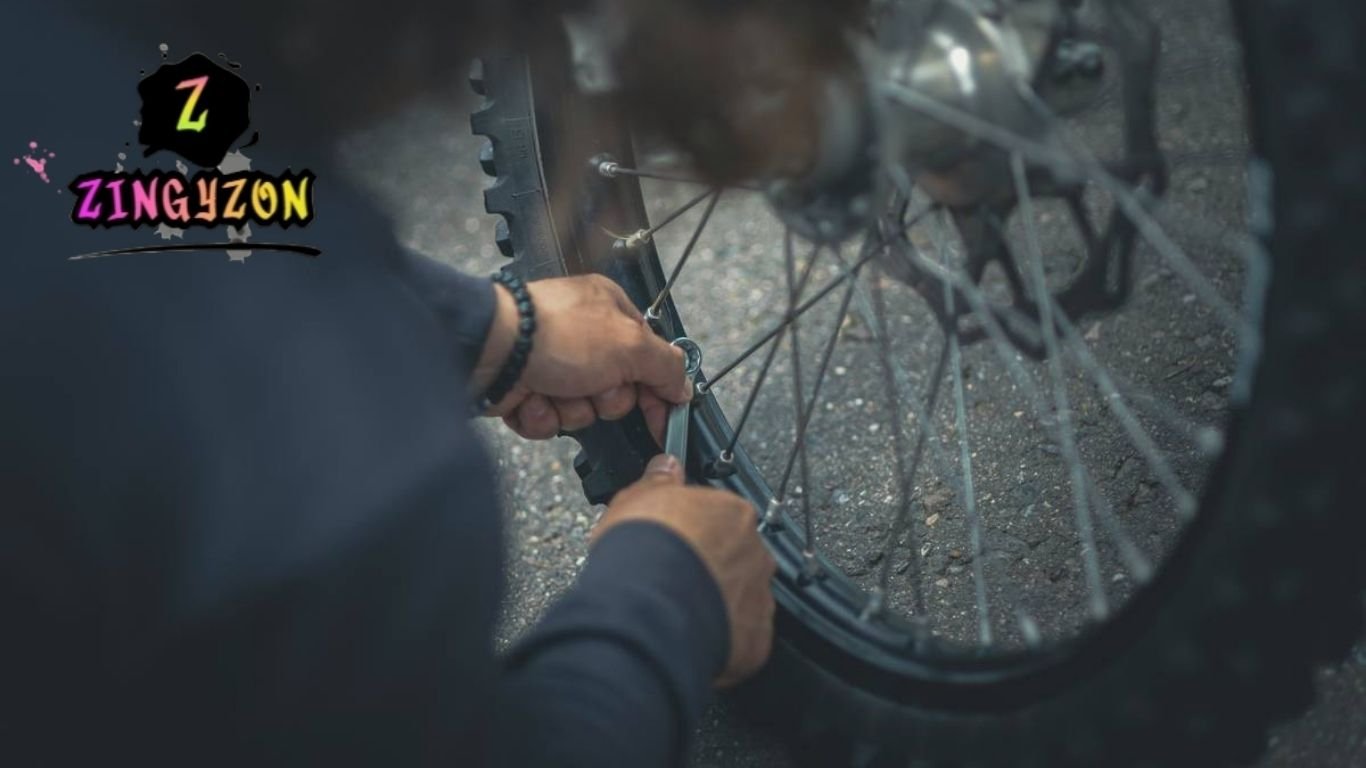
We understand that running a bicycle repair business in today’s unpredictable market requires more than just technical skills—it demands efficiency, organization, and a strong focus on customer satisfaction. A successful bike repair shop is instantly recognizable by its welcoming atmosphere, clean and well-structured workspace, and staff who are both skilled with tools and attentive to customer needs. Beyond the physical setup, thriving shops build their reputation through professionalism, digital adoption, and strong connections with local cycling communities.
What sets these businesses apart is their commitment to staying relevant. They embrace modern practices such as transparent pricing, fast service delivery, and advanced inventory management systems. Their teams actively gather customer feedback and regularly participate in training to keep their skills updated with industry advancements.
On the other hand, bicycle repair shops that struggle often fall behind due to neglecting technological upgrades, underestimating customer experience, and failing to keep up with evolving market trends. This lack of innovation can lead to poor service quality, reduced customer traffic, and eventually business closure. To avoid this, adopting reliable bike inventory management software and automating spare parts sourcing has become essential for long-term growth.
The Downfall: Poor Practices That Harm Business Growth
Businesses that fail to adapt usually suffer from outdated management systems and inefficient workflows. Many still rely on manual record-keeping, handwritten invoices, and verbal work orders. These traditional methods are not only time-consuming but also highly prone to errors. Incorrect billing, missed bookings, and misplaced parts can quickly damage customer trust.
Another major issue is resistance to change. Bicycle technology is continuously evolving—from electric bikes to advanced performance components. Shops that do not invest in updated tools and staff training struggle to service modern bicycles, allowing better-equipped competitors to attract their customers.
A weak or nonexistent online presence further worsens the situation. Today’s customers expect to find services online, book appointments digitally, and check reviews before making decisions. Without this visibility, shops lose a significant share of potential clients.
Reinventing Your Business: Building Operational Efficiency
Improving operational efficiency is the foundation of transforming a bicycle repair business. Efficiency is not just about speed—it is about accuracy, consistency, and streamlined workflows. A well-organized workshop where tools are properly arranged and technicians clearly understand their responsibilities is essential for smooth operations.
Start by analyzing your current workflow. Identify bottlenecks such as delayed parts ordering, scheduling issues, or long customer wait times. Map the entire customer journey from booking to delivery and pinpoint areas that need improvement. Simplifying these processes significantly enhances both service speed and customer satisfaction.
Employee training is equally important. A skilled and knowledgeable team can diagnose issues faster, recommend suitable solutions, and perform repairs with greater accuracy. Continuous training programs and certifications help ensure your staff stays up to date with the latest industry developments.
Prioritizing Customer Satisfaction
Customer satisfaction should always remain the top priority. Satisfied customers are more likely to return, leave positive reviews, and recommend your services to others. Begin by creating a smooth and welcoming customer experience. Train staff to greet customers professionally, listen carefully to their concerns, and clearly explain repair timelines.
Transparency builds trust. Always inform customers about the required repairs, expected completion time, and total cost before starting the work. Offering multiple communication channels such as SMS updates, email notifications, and phone calls further enhances professionalism and reliability.
Follow-up services can also help differentiate your business. Simple gestures like checking in after a repair, sending maintenance reminders, or offering loyalty rewards, discounts, and free tune-ups for returning customers can significantly improve retention.
Modern Inventory Management Systems
Effective inventory control is critical for any repair shop. A cloud-based inventory system can completely transform how parts and supplies are managed. It enables real-time tracking, automates reordering, and prevents both overstocking and shortages. Detailed analytics also help identify fast-moving parts so they are always available when needed.
These systems reduce human error by allowing staff to scan items, update quantities instantly, and receive automatic low-stock alerts. This eliminates dependency on memory or manual logs, reducing the chances of missing or duplicated orders.
Barcode integration further improves efficiency by speeding up repair processes and minimizing customer waiting times. Technicians can quickly locate required parts and focus more on actual repairs, leading to a more productive and organized workspace.
Transforming Billing Through Automation
Billing is another area where modernization brings significant improvements. Manual invoicing is slow and often leads to mistakes. A digital POS (Point of Sale) system designed for repair shops streamlines the entire billing process. It generates invoices instantly, calculates taxes automatically, and supports multiple payment methods including cards and mobile wallets.
Automated billing improves accuracy and professionalism. Every service, part, and labor charge is properly recorded and easily traceable. Customers appreciate clear and transparent billing, which builds trust and reduces disputes.
Additionally, modern systems often integrate billing with inventory and customer records. When a part is used, it is automatically deducted from stock and linked to the customer’s invoice, reducing administrative workload and improving efficiency.
Staying Competitive in a Changing Industry
The bicycle repair industry is continuously evolving. With the rise of electric bikes and increasing focus on sustainability, customer expectations are changing rapidly. To stay competitive, shop owners should actively engage with industry trends, attend trade exhibitions, read professional publications, and network with other business owners.
Frequently Asked Questions
What are hidden bike repair shop growth strategies?
Hidden bike repair shop growth strategies are modern techniques like digital marketing, inventory software, and customer experience improvements that help repair shops grow faster and operate more efficiently.
How can a bike repair shop increase customers quickly?
A bike repair shop can increase customers by improving online visibility, optimizing Google Business Profile, using social media marketing, and offering referral or loyalty programs.
Why is inventory management important for bike repair shops?
Proper inventory management ensures that spare parts are always available, reduces repair delays, minimizes errors, and improves overall shop efficiency and customer satisfaction.
What software helps bike repair shops grow faster?
Bike repair shops can use inventory management systems, POS billing software, and customer management tools to automate operations and improve speed and accuracy.
How does customer service impact bike repair shop growth?
Excellent customer service builds trust, increases repeat customers, generates positive reviews, and encourages word-of-mouth referrals, which directly boosts business growth.
Is digital marketing important for bike repair businesses?
Yes, digital marketing is essential because it helps bike repair shops reach local customers, increase visibility online, and attract more service bookings through search engines and social media.
Conclusion
Hidden bike repair shop growth strategies are not about doing more work they are about working smarter. In today’s competitive market, success depends on how well a repair shop adapts to modern tools, customer expectations, and efficient business practices. From using digital management systems and improving inventory control to building a strong online presence and prioritizing customer satisfaction, every strategy plays a key role in long-term growth.
Bike repair shops that embrace innovation and focus on streamlined operations can reduce errors, speed up service delivery, and build stronger relationships with customers. Ultimately, consistent improvement, smart technology adoption, and customer-focused service are the real drivers that turn a small repair shop into a fast-growing, profitable business.
