

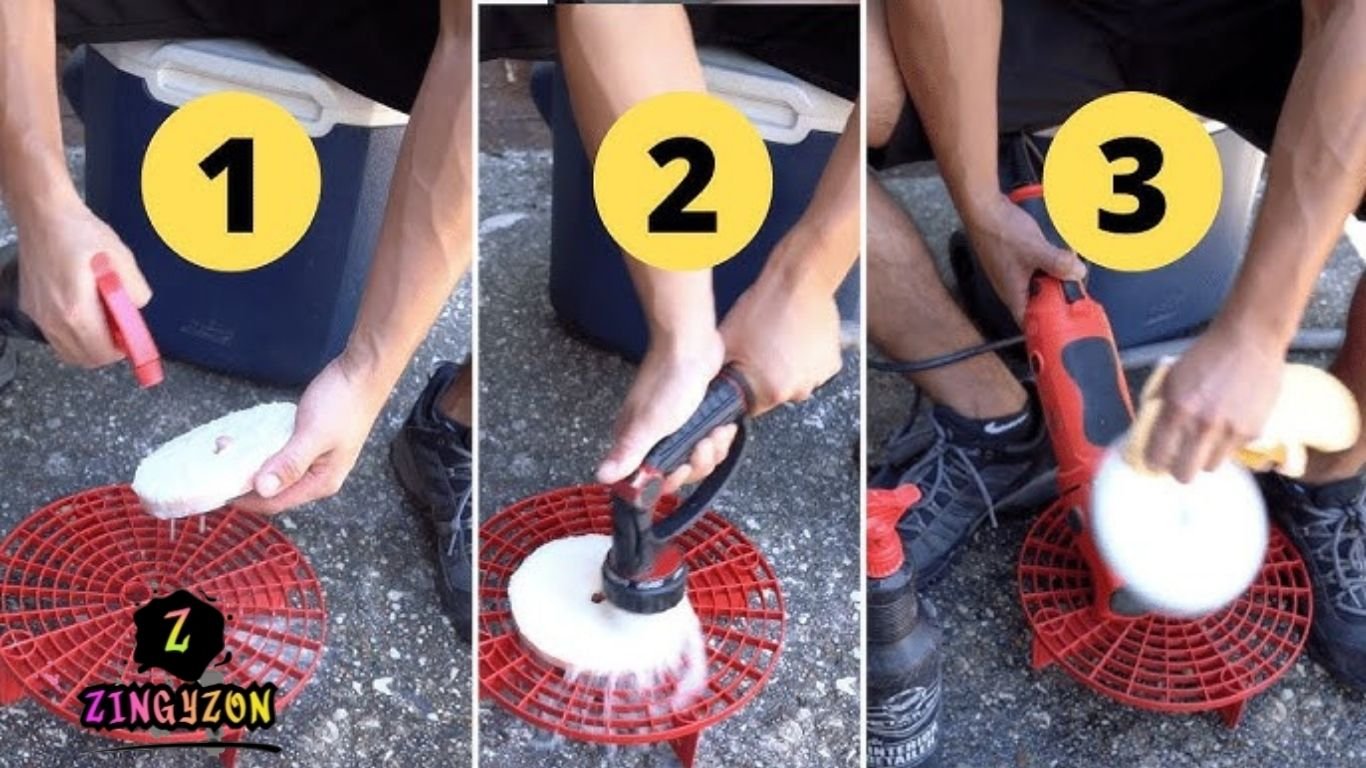
Achieving a flawless finish in car detailing isn’t just about using high-quality polish or wax it also depends heavily on how well you maintain your polishing pads. Dirty or clogged pads can lead to uneven application, unwanted splatter, and even damage to the paint surface. Regular cleaning not only improves your results but also helps extend the life of your pads.
Polishing pads are essential to achieving professional car detailing results, but their performance drops significantly when they become clogged with residue. A dirty pad can cause uneven paint correction, create swirl marks, and ultimately compromise the overall finish. Regularly cleaning your polishing pads keeps them performing at their best, ensuring smoother buffing and more consistent, high-quality paint correction.
Clean Your Pads While You Work
Keeping your polishing pads clean during use is key to consistent performance. Professionals often recommend cleaning the pad after each panel, or even more frequently when working on larger areas like hoods and roofs.
Quick Cleaning Methods
Pad Brush Method
Use a foam pad cleaning brush to remove dried polish and residue. This method works effectively for both foam and wool pads, instantly restoring their cutting ability.
Compressed Air Method
Compressed air helps blow out built-up polish from the pad. For safety, it’s best to turn off the machine before doing this. Afterward, lightly brush the pad to restore its texture and improve performance.
Signs Your Pad Needs Cleaning:
- Visible buildup of polish or compound
- Reduced cutting or polishing performance
- Uneven product distribution
- Longer working time
Choose the Right Cleaning Products
The type of cleaner you use matters. Harsh chemicals or standard laundry detergents can damage pad materials and clog their pores. Instead, opt for products specifically designed for polishing pads.
Recommended Options:
- Pad cleaning powders formulated to remove residue safely
- Citrus-based all-purpose cleaners (APCs) for gentle yet effective cleaning
- Mild dish soap for light, everyday cleaning
Pro Tip:
Avoid bleach and fabric softeners, as they can leave behind residues that may cause scratches during future use. Always rinse pads thoroughly after cleaning.
If you regularly use synthetic waxes, consider using separate pads for those products to avoid cross-contamination.
Wash and Scrub Correctly
Proper washing ensures your pads remain soft, clean, and ready for reuse.
Soaking
Soak your pads in warm water mixed with a suitable cleaning solution for about 20–30 minutes. This helps loosen dried polish and embedded debris.
Scrubbing
Foam Pads: Use a soft or medium-bristle brush with gentle circular motions
Wool Pads: Use a dedicated wool pad brush and clean along the fibers
Avoid aggressive scrubbing, as it can damage the pad structure or loosen the backing. Rinse thoroughly until the water runs clear.
Rinse and Dry Thoroughly
After cleaning, proper rinsing and drying are essential to maintain pad quality and prevent mold growth.
Rinsing
Use warm water and ensure all soap or cleaner residue is removed, especially from the center of the pad.
Removing Excess Water
- Spin the pad on a polisher at low speed
- Or gently press with a microfiber towel
Drying
- Air Dry: Place pads backing-side up in a cool, well-ventilated area
- Machine Dry: Use air-only mode (no heat) to avoid damage
Make sure pads are completely dry before storing, as moisture can lead to mold or adhesive failure.
Store Your Pads Properly
Proper storage is just as important as cleaning when it comes to maintaining polishing pads.
Storage Tips:
- Keep pads in dust-free containers or sealed bags
- Store in a cool, dry, and ventilated space
- Stack pads face-to-face with a soft cloth between them
For professionals or detailing businesses, dedicated storage systems like wall-mounted holders or shelving units can help keep pads organized and protected.
Frequently Asked Questions
How often should you clean polishing pads?
You should clean polishing pads after every panel during use and perform a deep clean after each detailing session to maintain optimal performance.
What is the best way to clean polishing pads?
The best way is to soak them in warm water with a pad cleaner, gently scrub, rinse thoroughly, and air dry completely before storage.
Can I use dish soap to clean polishing pads?
Yes, mild dish soap can be used for light cleaning, but dedicated pad cleaning solutions provide better results and protect the pad material.
How do you dry polishing pads properly?
Air drying is the safest method. Place pads backing side up in a well-ventilated area and avoid heat to prevent damage.
Can dirty polishing pads damage car paint?
Yes, dirty pads can cause swirl marks, uneven polishing, and even scratches, reducing the quality of your detailing work.
How do you remove dried polish from pads?
Soak the pads in warm cleaning solution for 20–30 minutes, then gently scrub to loosen and remove dried polish residue.
Conclusion
Knowing how to clean polishing pads properly is essential for achieving professional car detailing results. Clean pads ensure smooth product application, better paint correction, and a flawless finish, while dirty pads can lead to swirl marks and reduced performance.
By following the right techniques cleaning during use, choosing safe cleaning products, washing and drying correctly, and storing pads properly you can significantly extend the life of your pads and improve your overall efficiency.
